
It was both an honor and a privilege to serve as one of the plenary speakers during the First Lumin-awa International Multidisciplinary Research Conference (LIMRC) 2026, held on 25–27 May 2026 at the Teatro Kalinga of Kalinga State University in Bulanao, Tabuk City. The conference brought together researchers, educators, practitioners, government leaders, and development partners from across the Philippines and abroad under the theme, “Innovating Justice and Governance: Multidisciplinary Pathways to Equity, Inclusion, and Sustainable Development.” The event was jointly organized by Kalinga State University and the state universities of the Cordillera Administrative Region through a landmark academic partnership that seeks to strengthen research collaboration and social innovation.
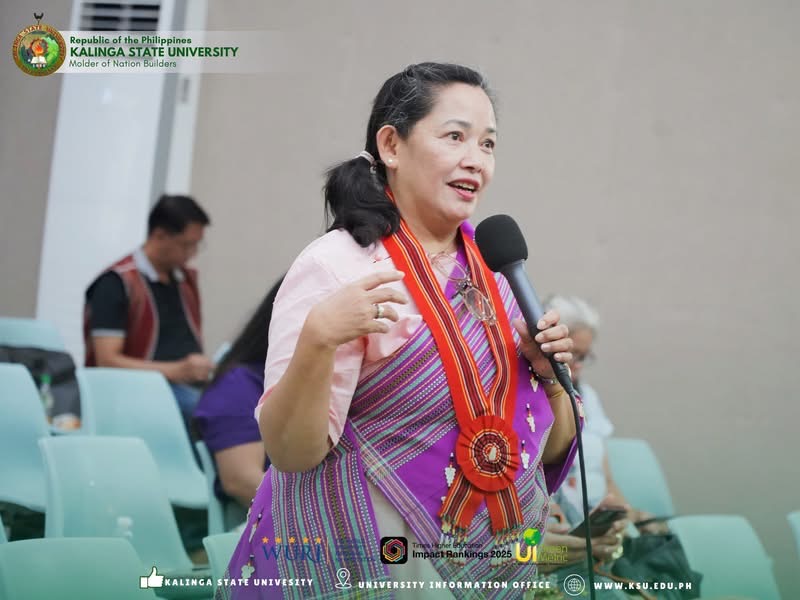
It was a privilege to represent Coffee for Peace, Inc. (CFP) and PeaceBuilders Community, Inc. (PBCI) as one of the plenary speakers during the First Lumin-awa International Multidisciplinary Research Conference (LIMRC) 2026, held on 25–27 May 2026 at the Teatro Kalinga, Kalinga State University (KSU) Main Campus in Bulanao, Tabuk City.
Hosted by Kalinga State University in partnership with the Cordillera Administrative Region State Universities and Colleges (CAR-SUCs)—including Benguet State University, Ifugao State University, Mountain Province State University, Apayao State College, and the Abra State Institute of Science and Technology—the conference marked the beginning of a three-year regional collaboration to strengthen research, innovation, extension, and academic partnerships among higher education institutions in Northern Luzon. Beyond a scholarly gathering, LIMRC 2026 embodied a shared commitment to producing research that directly contributes to equitable, inclusive, and sustainable social transformation.
The conference was anchored on the theme, “Innovating Justice and Governance: Multidisciplinary Pathways to Equity, Inclusion, and Sustainable Development.” The organizers intentionally adopted the name “Lumin-awa,” a concept that evokes light, compassion, and our shared humanity. In her opening address, KSU President Dr. Joy Grace P. Doctor described Lumin-awa as an invitation for scholars and practitioners to bring together diverse disciplines, cultures, and experiences in pursuit of meaningful development. The conference affirmed that transformative change begins when knowledge is grounded in mutual respect, collaboration, and service to communities.
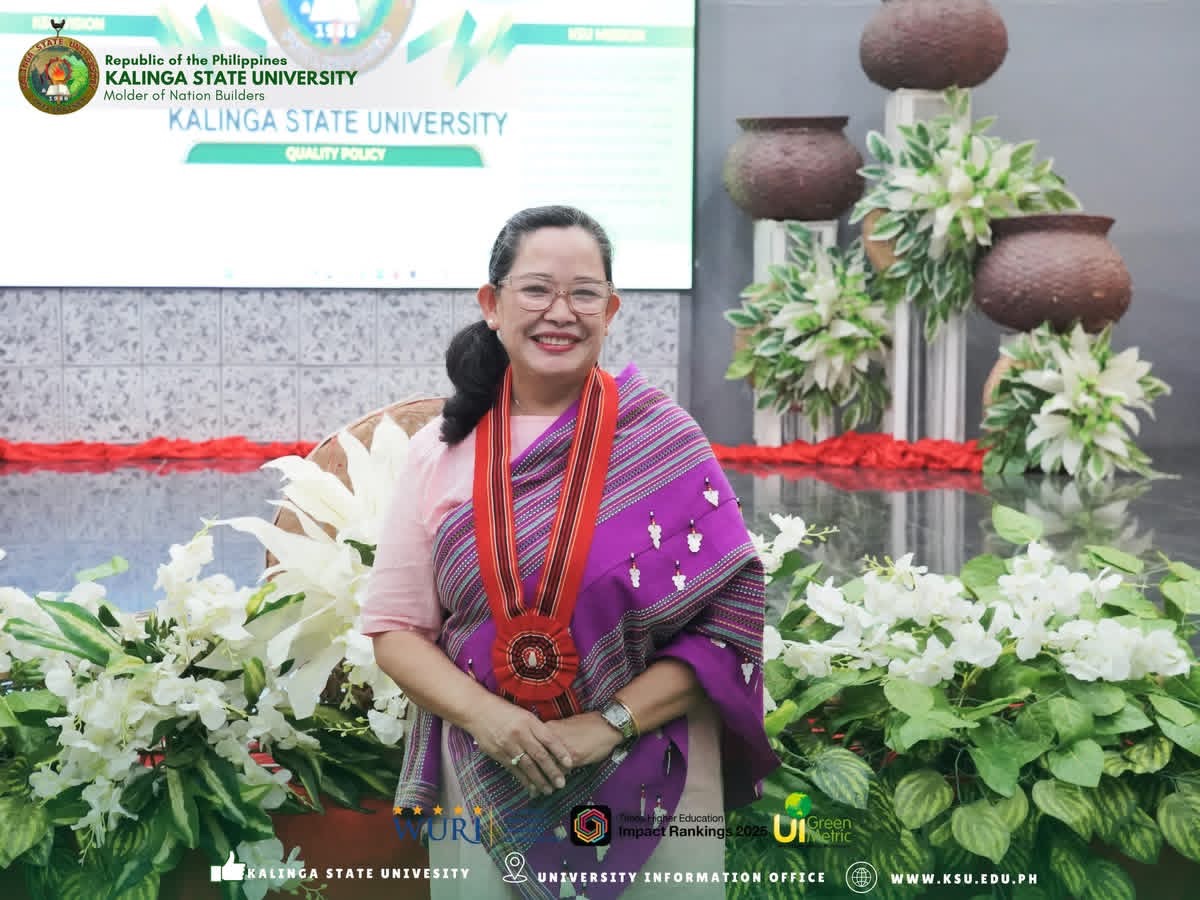
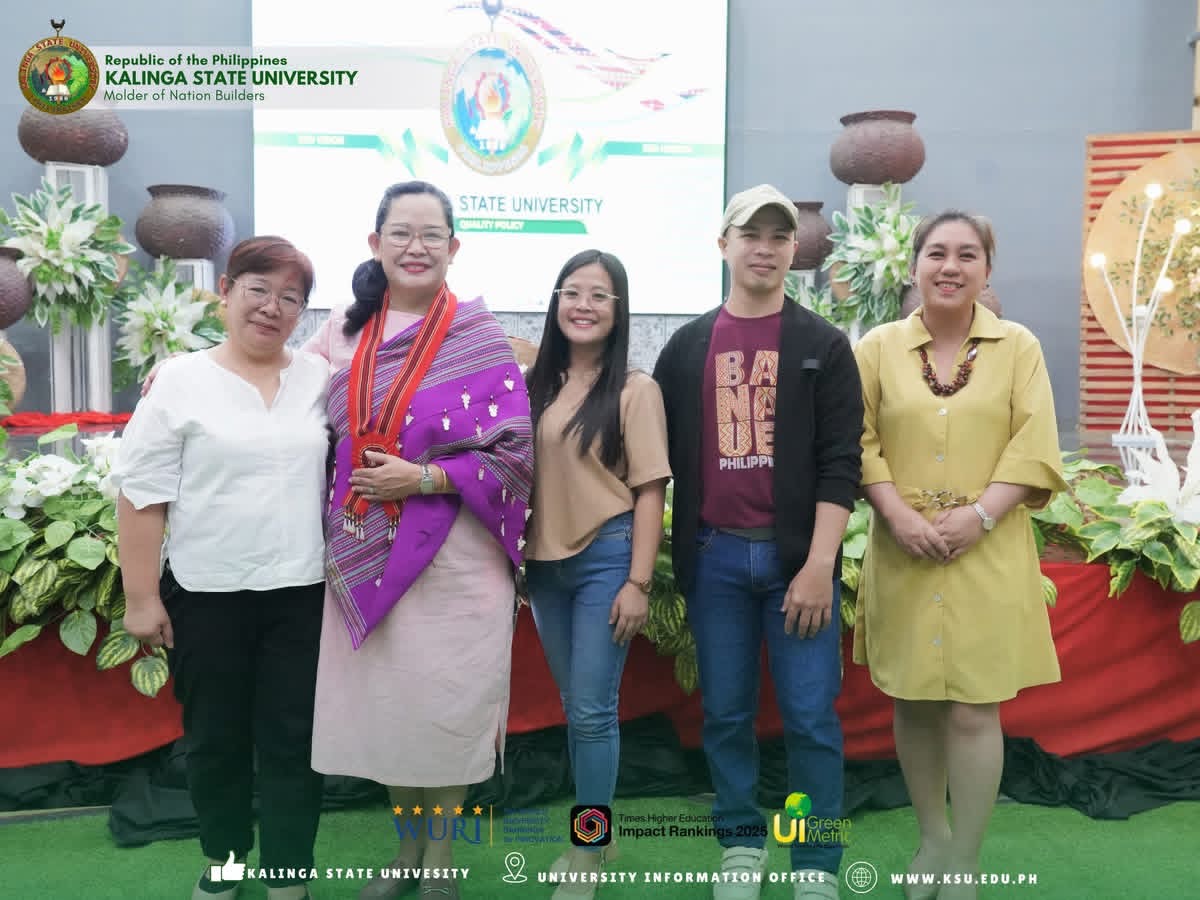
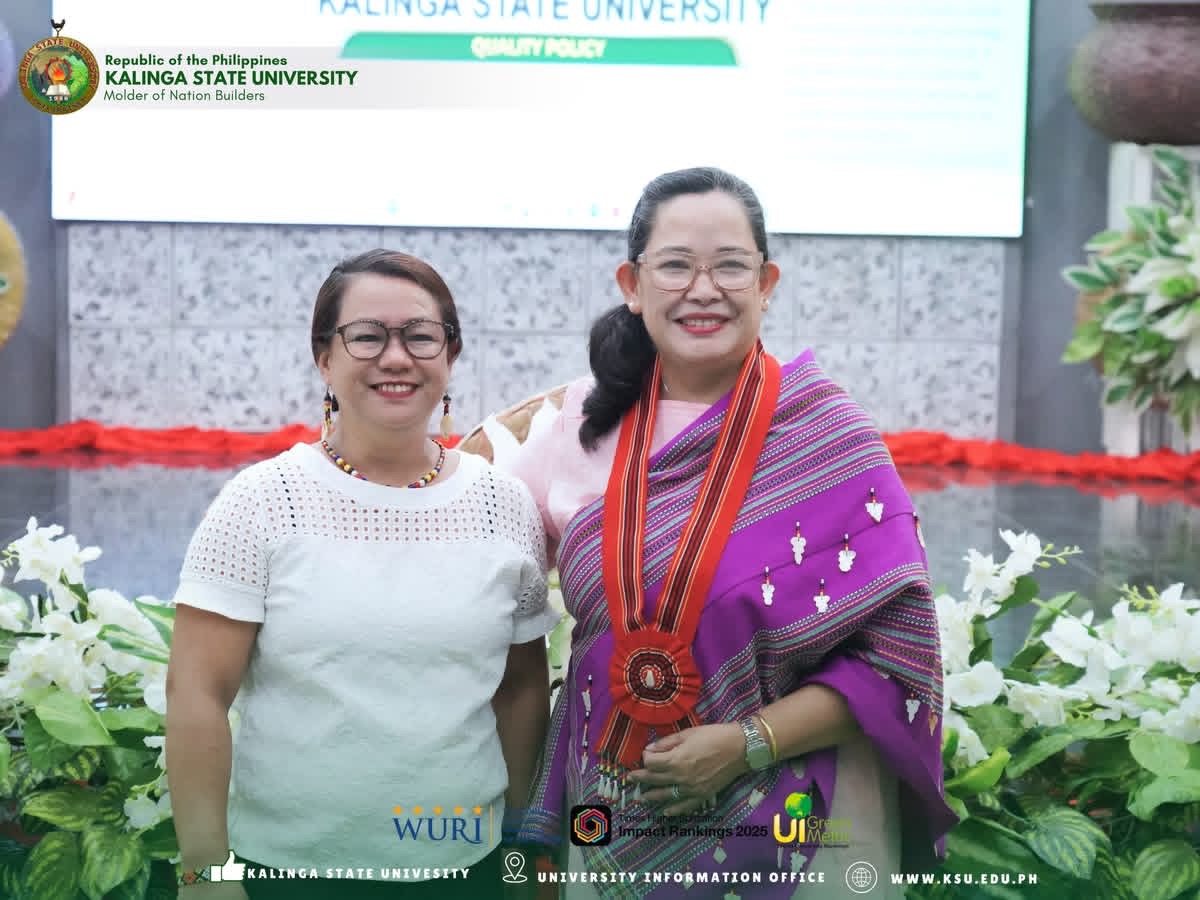
The opening ceremony gathered university presidents, researchers, educators, policy practitioners, development workers, and government officials from across the Cordillera and beyond. Messages of support were delivered by Tabuk City Mayor Darwin C. Estranero, CHED-CAR Officer-in-Charge Regional Director Dr. Serafin L. Ngohayon, and Kalinga Governor James S. Edduba, while Senator Risa Hontiveros sent the keynote message expressing support for research that advances justice, democratic governance, inclusion, and sustainable development. Collectively, the speakers emphasized that research must move beyond academic publication toward creating tangible improvements in people’s lives and strengthening democratic institutions.
Within this inspiring environment, I shared Coffee for Peace’s journey of integrating peacebuilding, trauma healing, social entrepreneurship, and inclusive economic development among conflict-affected and Indigenous communities in Mindanao. Rather than presenting peacebuilding solely as a theoretical framework, I emphasized how community-owned enterprises can become practical instruments for reconciliation, economic empowerment, and restorative justice. Drawing from CFP’s experiences with Indigenous coffee farmers, women leaders, former combatants, and marginalized communities, I demonstrated how ethical coffee value chains contribute to restoring dignity, generating sustainable livelihoods, healing historical trauma, and cultivating resilient local economies.
The conference theme resonated deeply with our own organizational philosophy. Coffee for Peace has consistently pursued peace not merely through dialogue, but through transforming relationships, local economies, and social systems. Our work demonstrates that sustainable peace flourishes when communities gain equitable access to markets, education, financial opportunities, and leadership spaces while honoring Indigenous knowledge systems, cultural identity, and ecological stewardship. These principles align closely with LIMRC’s emphasis on justice-based governance, decolonial approaches to development, and community-centered innovation.
Over the three-day conference, researchers presented multidisciplinary studies spanning governance, justice, criminology, business, education, health sciences, Indigenous studies, and sustainable development. Participants engaged in rich discussions on democratic governance, systemic discrimination, health inequities, Indigenous rights, environmental sustainability, and evidence-based policymaking. The conference concluded with the recognition of outstanding research papers and presenters whose work exemplified academic excellence while addressing real-world social challenges. The synthesis of conference outputs reaffirmed the importance of interdisciplinary collaboration in advancing the United Nations Sustainable Development Goals, particularly those related to quality education, innovation, partnerships, justice, and inclusive institutions.
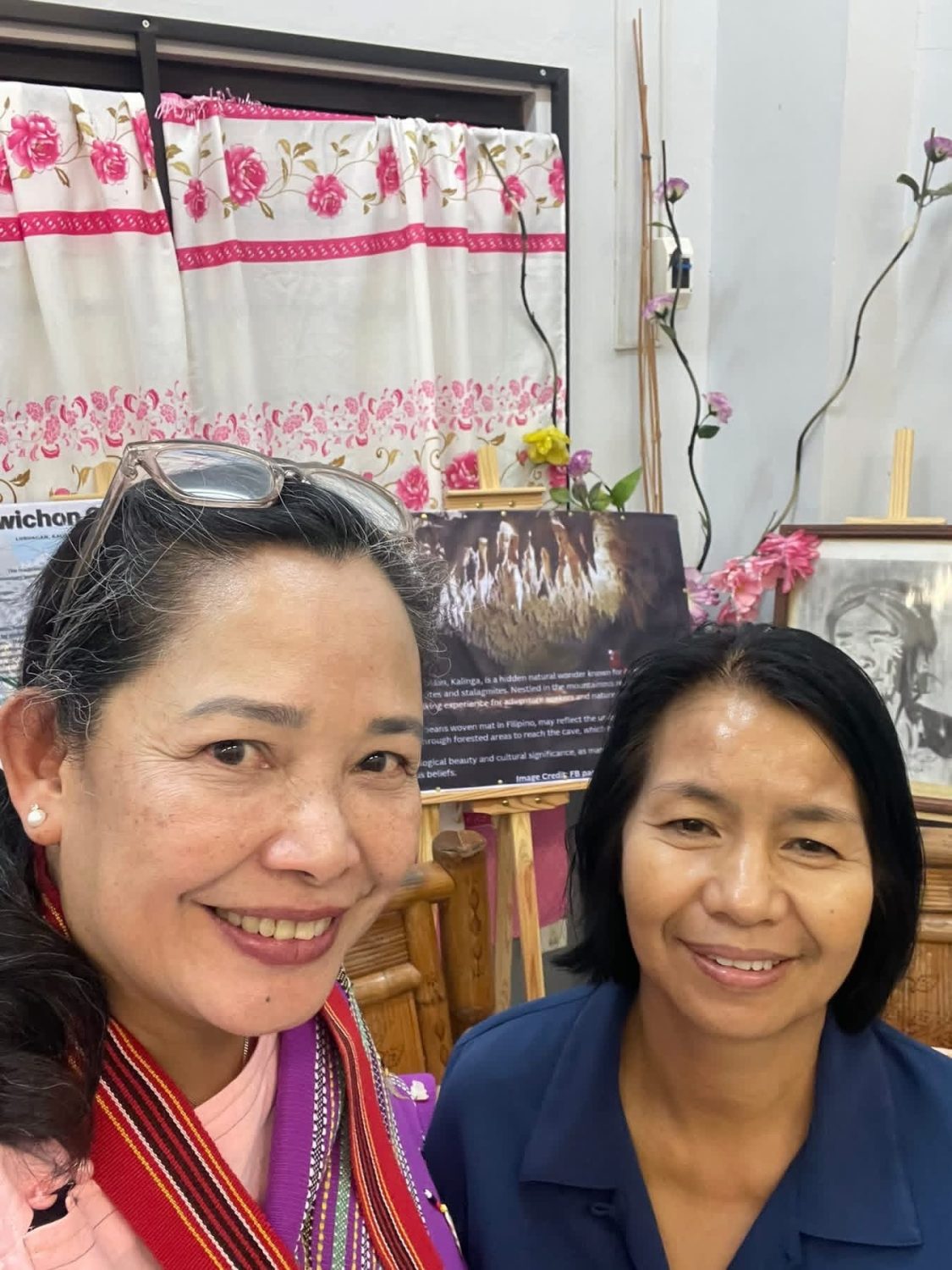
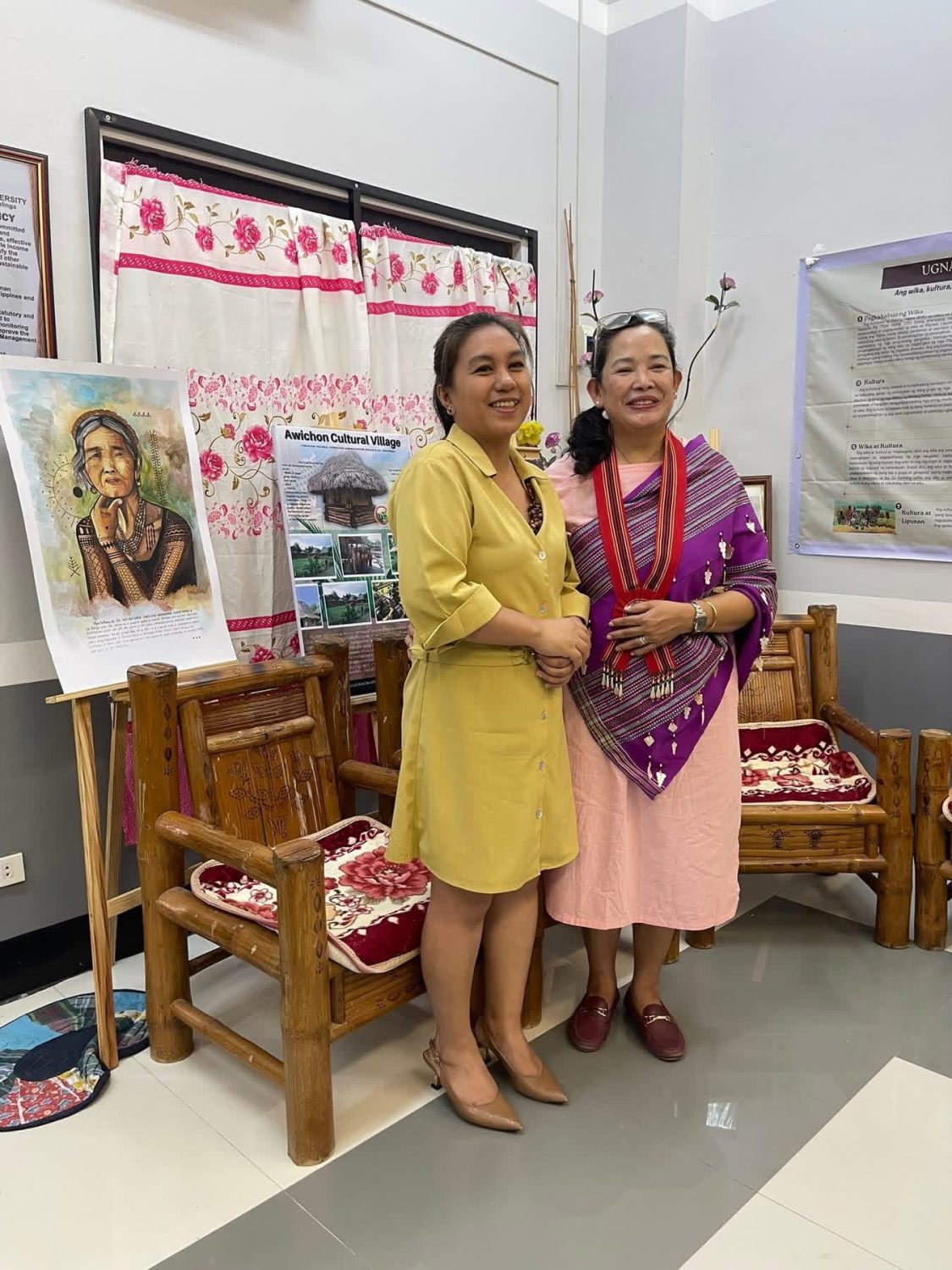

For Coffee for Peace, participation in LIMRC 2026 reinforced our conviction that universities and grassroots organizations become powerful partners when they intentionally bridge research with lived community realities. Academic knowledge reaches its fullest potential when it accompanies local communities in designing practical solutions that promote peace, justice, and shared prosperity.
On behalf of Coffee for Peace, I express my heartfelt gratitude to Kalinga State University, the CAR-SUC consortium, the conference organizers, fellow plenary speakers, researchers, and participants for creating a meaningful platform where scholarship, innovation, and community transformation intersect. I leave Kalinga inspired by the growing movement of scholars and practitioners who recognize that illuminating minds must ultimately illuminate communities. May the partnerships forged during Lumin-awa 2026 continue to strengthen collaborative efforts toward building peaceful, inclusive, resilient, and sustainable societies throughout the Philippines and across the Global South.


