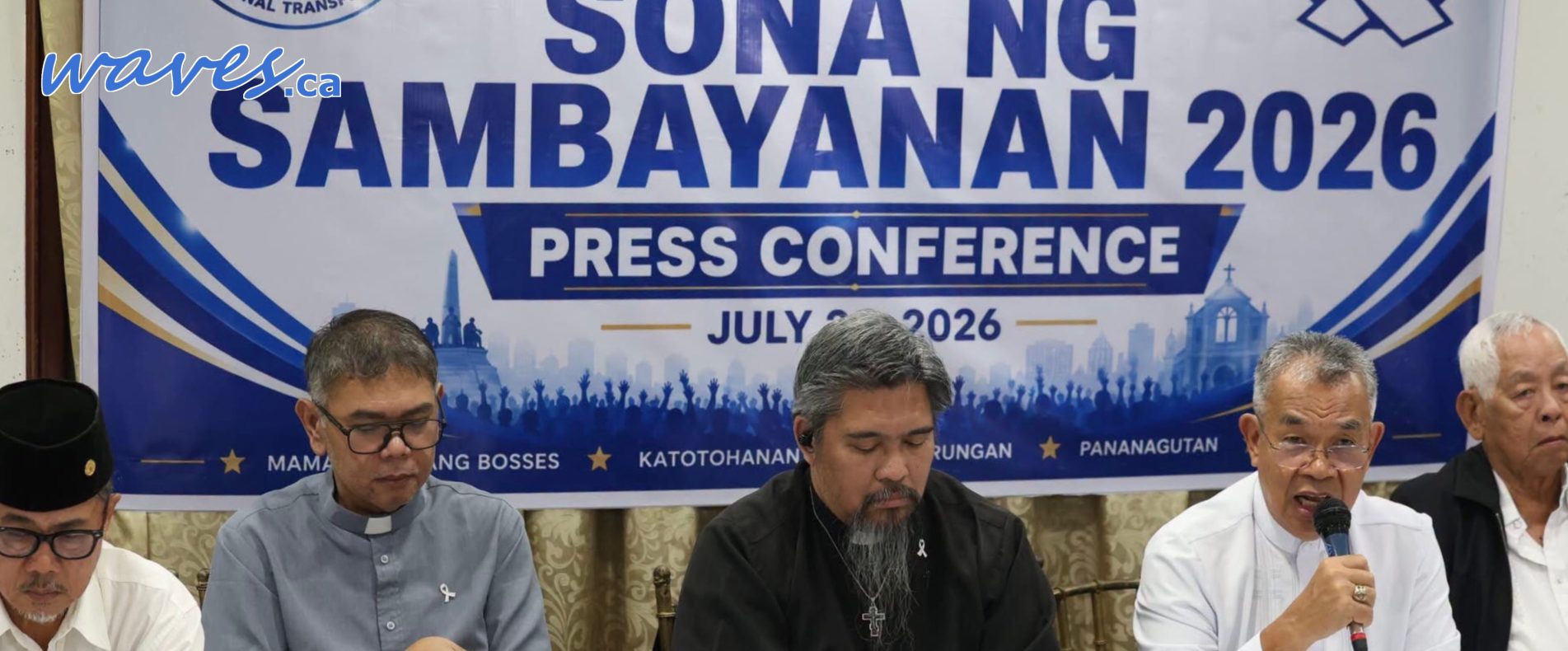
The SONA ng Sambayanan 2026 is more than a protest statement; it is a prophetic indictment of a political and economic system that continues to produce poverty, corruption, inequality, and ecological destruction. While I affirm its call for accountability, social justice, and the rejection of political dynasties, I also read it through the analytical lens of a more radical transformation, expressed within the ethical commitments of nonviolent Liberation Theology. For me, corruption is not merely the failure of individual politicians but a symptom of deeper structural realities—oligarchic capitalism, landlordism, neocolonial dependence, and the concentration of wealth and power. My commitment remains rooted in the liberating way of Jesus Christ, who confronted oppressive systems through courageous, truth-filled, and active nonviolence. Genuine transformation will not come simply by replacing political personalities but by dismantling unjust structures and building participatory institutions where justice, peace, human dignity, and the common good can flourish.
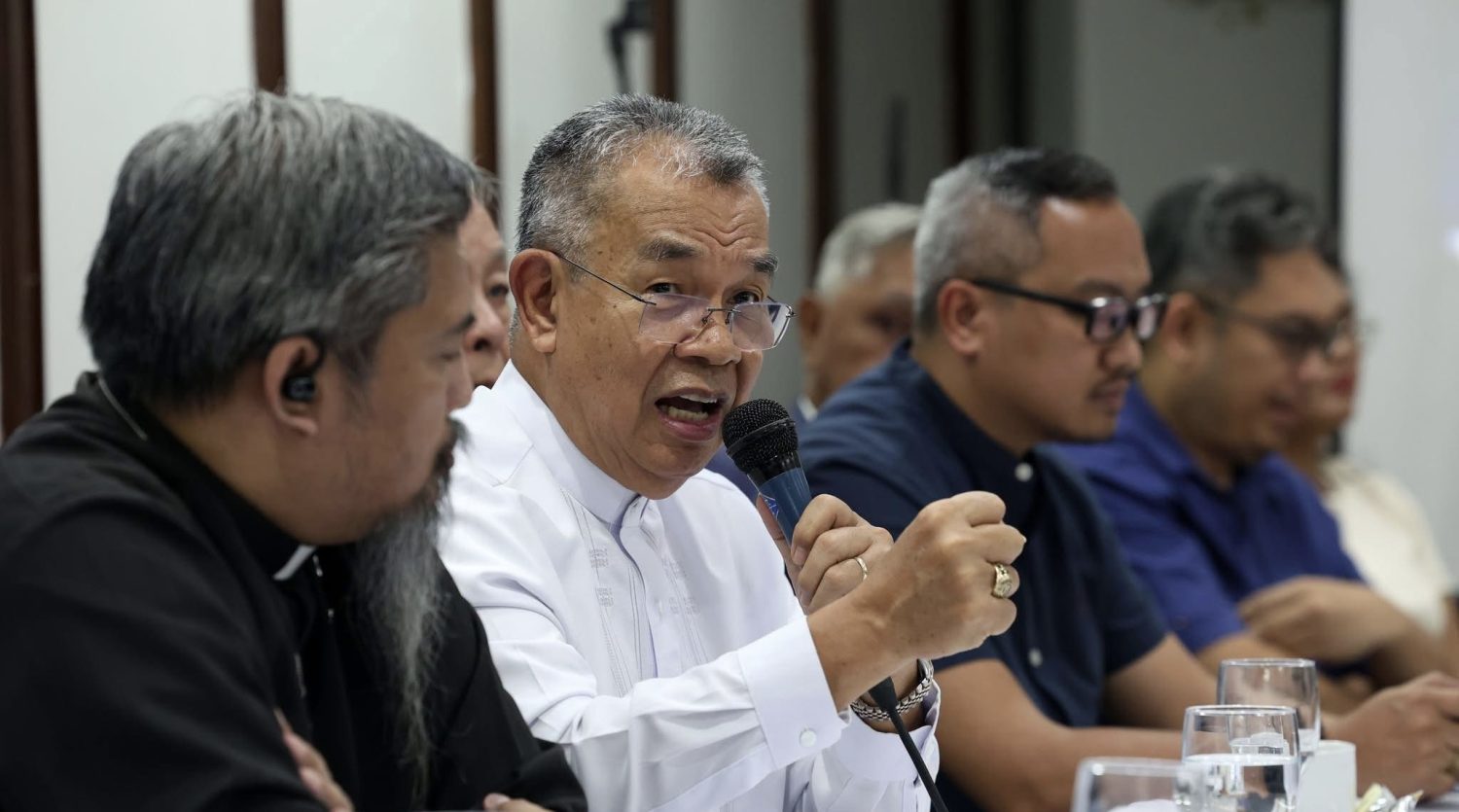
The SONA ng Sambayanan 2026 presents a powerful prophetic indictment of Philippine society. It denounces persistent poverty, unemployment, labor exploitation, landlessness, environmental destruction, political dynasties, corruption, and foreign influence. More importantly, it argues that replacing one political dynasty with another will not bring genuine national transformation. Instead, it calls for structural reforms that prioritize the welfare of ordinary Filipinos.
I find much to affirm in this statement. As a justice-based peacebuilder, I believe poverty, corruption, and exclusion are not isolated social problems but interconnected realities that reinforce one another. The document rightly reminds us that economic growth alone cannot be considered genuine development when millions of Filipinos continue to experience insecurity, hunger, and marginalization. It also correctly rejects the false political choice between competing dynasties and calls for accountability regardless of political affiliation.
At the same time, my own reading extends beyond the document itself.
Through a more radical analytical lens, I see corruption as only one manifestation of a deeper structural crisis. Corruption is not merely the product of immoral politicians. It flourishes because economic and political power remain concentrated in the hands of entrenched elites whose interests are protected by institutions that often reproduce inequality. Political dynasties, oligarchic capitalism, landlordism, monopoly interests, and continuing forms of foreign economic dependence reinforce one another in ways that perpetuate poverty despite periodic changes in political leadership.
The Unity Statement strongly criticizes foreign interests, but it does not explicitly analyze the role of global capitalism and imperial power in shaping Philippine underdevelopment. From my perspective, the country’s dependence on foreign capital, unequal economic relationships, labor export, and geopolitical alignments cannot be separated from the persistence of inequality. National liberation therefore requires not only honest government but also greater economic sovereignty and democratic control over national resources.

I reject violence as an instrument of social transformation. My commitment is rooted in the liberating way of Jesus, whose confrontation with oppressive systems was uncompromising yet profoundly nonviolent. Liberation Theology has taught me that God stands with the poor, but it also insists that the struggle for justice must preserve the dignity of every human being, including those who participate in unjust systems.
For me, class struggle is fundamentally a struggle against relationships and structures of domination rather than a war against persons. The objective is not to replace one ruling elite with another but to transform society so that political, economic, and cultural power become genuinely participatory and accountable.
From this perspective, I also see limitations in the SONA ng Sambayanan 2026. While it articulates urgent demands—including living wages, affordable public services, anti-dynasty legislation, and electoral reforms—it says relatively little about the long-term institutional transformation necessary to sustain those aspirations. Structural change requires more than denunciation. It demands organized communities, democratic participation, cooperative economics, Indigenous self-determination, labor empowerment, ethical entrepreneurship, accountable governance, and civic institutions capable of resisting the recurring concentration of wealth and power.
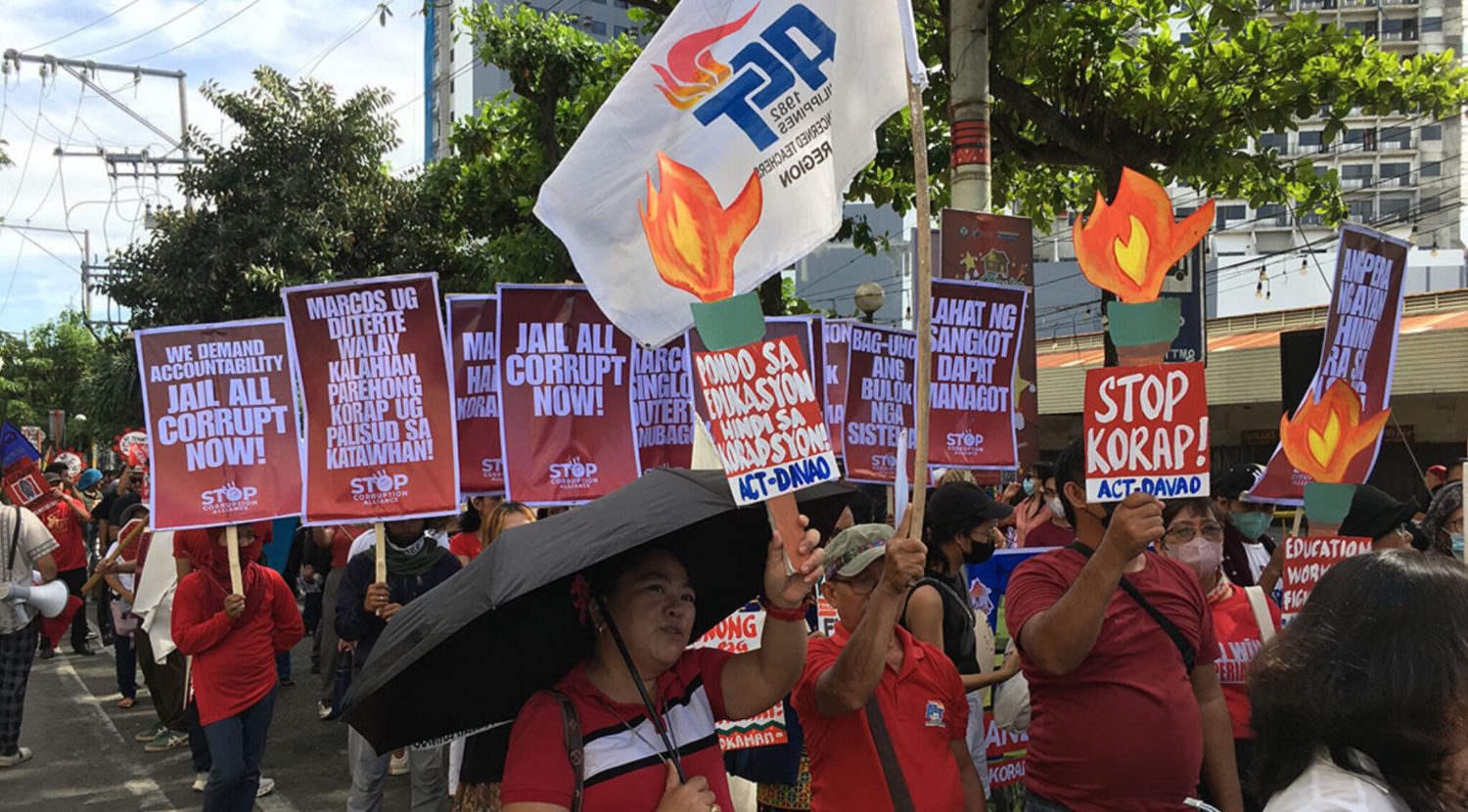
My vision of transformation is therefore revolutionary in its objectives but nonviolent in its methods. I believe enduring social change emerges when citizens organize peacefully, strengthen democratic institutions, build community-based enterprises, defend Indigenous rights, empower workers and farmers, and cultivate a political culture grounded in justice rather than patronage. Nonviolent people power, restorative justice, and participatory democracy are not signs of political weakness; they are enduring sources of transformative power.
I read Philippine society through the lenses of justice-based peacebuilding, decolonization, and Liberation Theology.
My deepest commitment is to Jesus Christ, whose vision of liberation integrates justice with mercy, truth with reconciliation, and courageous resistance with active nonviolence.
The SONA ng Sambayanan 2026 reminds us that changing political personalities is not enough. I would go one step further. The Philippines needs a transformation of its political economy, its democratic culture, and its moral imagination. Genuine national renewal will emerge not simply from exposing corruption but from dismantling the structures that reproduce injustice while building institutions that embody justice, participation, compassion, and peace.