On August 20, 2026, over 150 community leaders, educators, and advocates filled the Bapa Benny Tudtud Auditorium for the First Davao Democracy Forum, convened by Ateneo de Davao University and the Philippine Observatory on Democracy. Far from a quiet academic exercise, the forum confronted a living paradox: Dabawenyos’ fierce commitment to democratic ideals alongside enduring support for strong, centralized authority. As a reactor for the panel “Reactions from the Frontlines of Democracy,” I was tasked with testing empirical research against community realities. Scholars Atty. Romeo Cabarde Jr., Dr. Rosalinda Tomas, and Dr. Christine Diaz mapped our political DNA — authoritarian inclinations, social media’s shaping of democratic imagination, and pathways for civic education — revealing what researchers term authority-based democracy: not an absence of democratic values, but a complex, ambivalent consciousness rooted in performance-based legitimacy, historical memory, and conditional trust. This reflection challenges us to democratize effectiveness itself, turning disciplined governance into participatory, accountable systems.
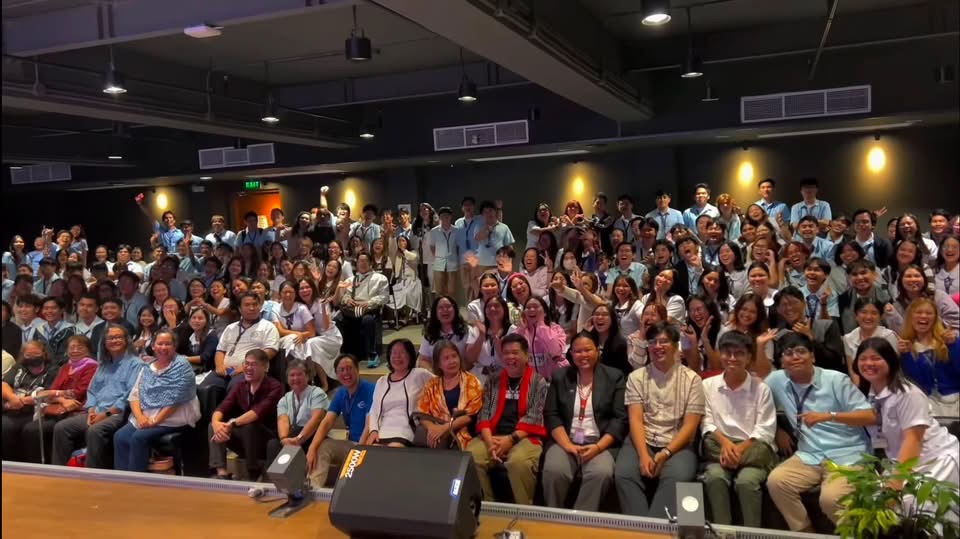
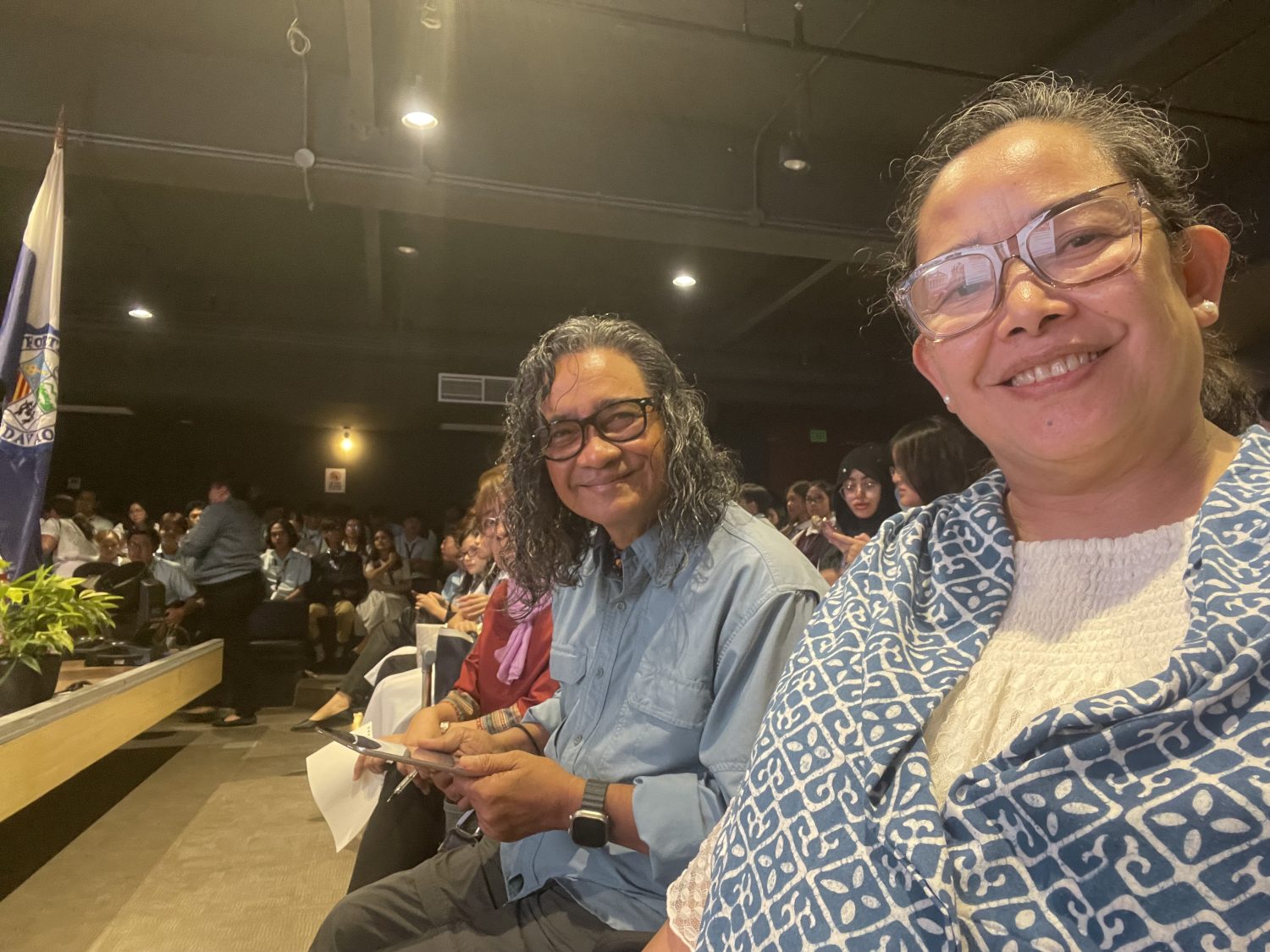
Sitting in the packed Bapa Benny Tudtud Auditorium on August 20, 2026, alongside over 150 community leaders, educators, and advocates, I felt the unmistakable tension of a city holding a mirror up to its own soul. The First Davao Democracy Forum—convened by Ateneo de Davao University and the Philippine Observatory on Democracy—was never meant to be another quiet academic gathering. It was designed to confront a living political riddle: how Dabawenyos can fiercely cherish democratic ideals while passionately rallying behind strong, centralized authority. As one of the invited reactors on the panel Reactions from the Frontlines of Democracy, my task was to take the empirical evidence presented by our scholars and test it against the raw, unvarnished realities of community life.
The empirical groundwork was laid by three lead researchers who dissected our local political DNA. Atty. Romeo “Meong” Cabarde Jr., Director of APILA, opened the plenary by analyzing authoritarian inclinations and the enduring allure of strongman rule. Dr. Rosalinda Tomas, Chairperson of Anthropology, untangled how social media and information ecosystems shape our local democratic imagination. Finally, Dr. Christine Diaz, Director of SRTDO, mapped out pathways for reclaiming civic education to nurture critical, active citizens. Listening to their presentations, the room moved past abstract political labels into the heart of what the data calls an authority-based democracy—a hybrid system powered not by an absence of democratic values, but by a deeply complex, ambivalent democratic consciousness.
Unpacking the Lived Realities of Strong Leadership
As the researchers unpacked their findings, they revealed that Dabawenyo political choices are far more nuanced than national commentary often suggests. Local governance is judged primarily through performance-based legitimacy: tangible safety, public discipline, clean streets, and rapid service delivery. When I stepped up to offer my reaction, I emphasized that our region’s historical memory deeply anchors this mindset. For generations of Dabawenyos, strong executive authority is not experienced as a departure from democracy, but as an indispensable shield protecting the community from a return to past chaos, violence, and institutional neglect.
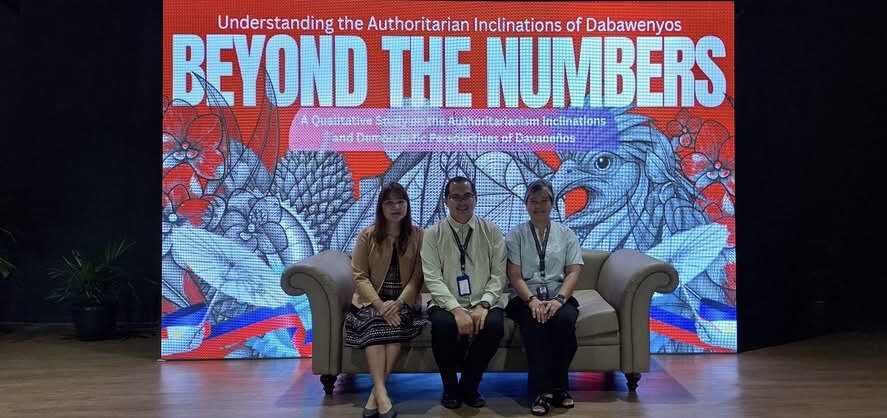
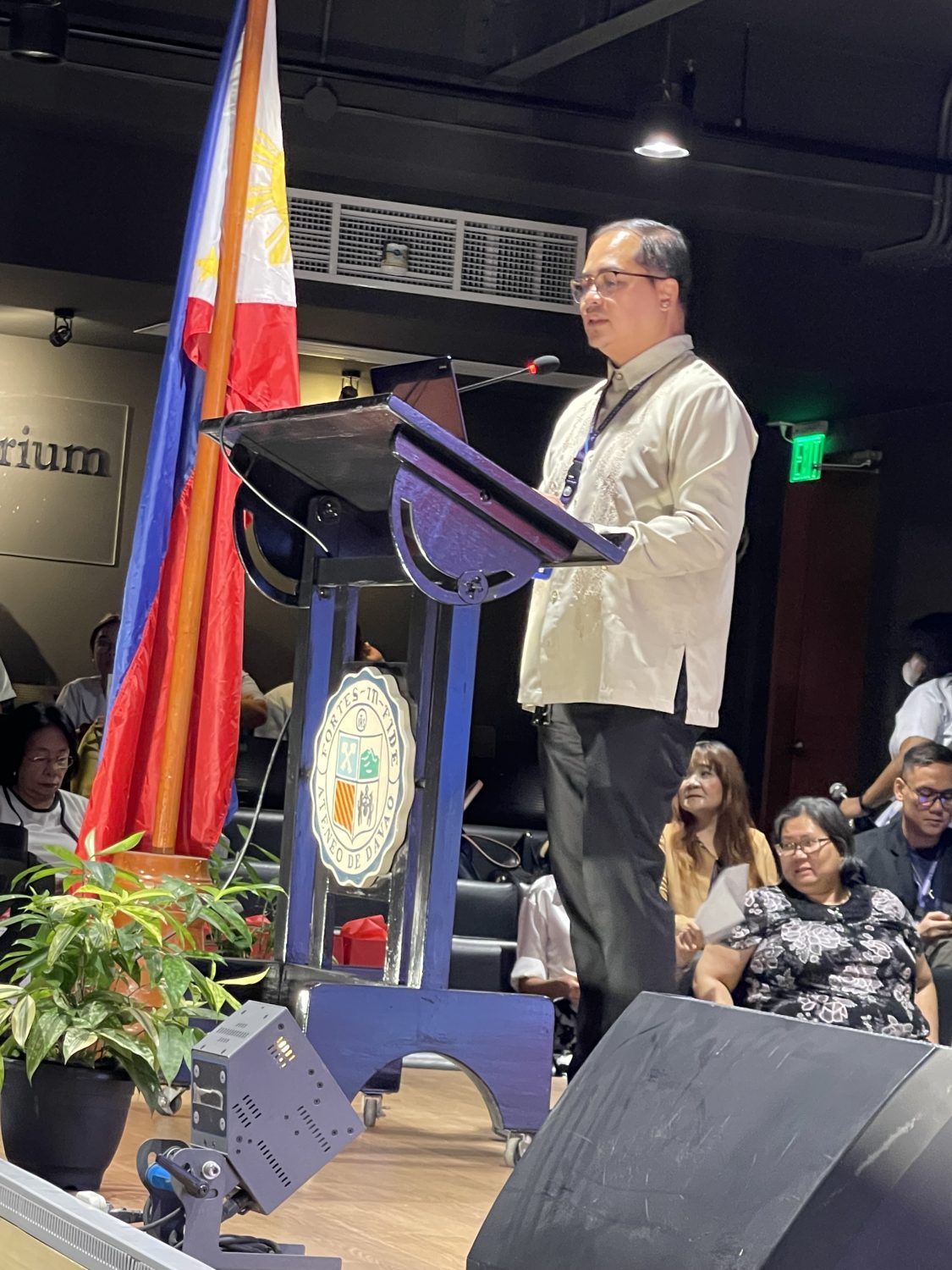
Yet, the research issued vital warnings against oversimplifying our political identity. Preference for decisive leadership is neither a blind endorsement of authoritarianism nor a rigid ideology. It is contextual, negotiated, and deeply conditional. We cannot mistake rapid executive execution for long-term institutional health, nor can we ignore the quiet contradictions humming beneath the surface. Across our neighborhoods, citizens continuously balance profound trust in a dominant political family with an emerging desire for expanded choices, just as they accept centralized control while yearning for genuine community representation. Support for authority is maintained through delivered results, not uncritical devotion.
Bridging Research and Frontline Action
Reflecting on Dr. Tomas’s work on digital ecosystems and Dr. Diaz’s focus on civic education, I stressed how social media functions as a double-edged sword. While digital platforms connect communities instantly, they also construct powerful echo chambers that reward conformity, amplify dominant political narratives, and quietly suppress visible dissent. Furthermore, while Dabawenyos demonstrate a clear textbook understanding of democratic rights, daily economic and social pressures dictate actual political engagement far more than classroom definitions. As a frontline reactor, I argued that order and participation must never be framed as an either-or choice. Order without citizen participation is fragile and autocratic, while participation without order quickly loses public credibility.
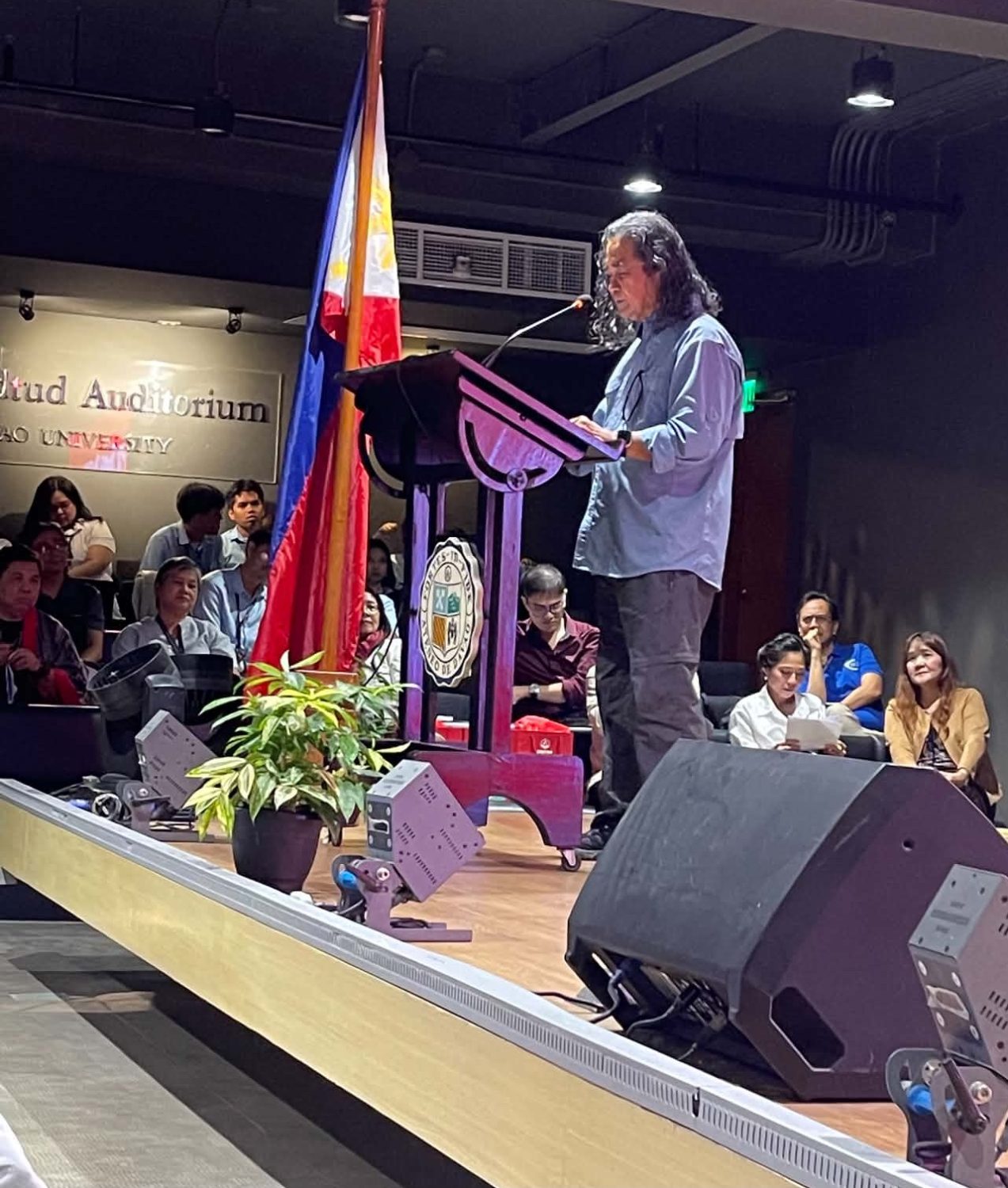
Reconciling these forces requires transforming executive discipline into permanent, democratic systems. We must champion a model that utilizes decisive authority for crisis execution while opening transparent, binding spaces for grassroots agenda-setting, budgeting, and public oversight. True security must expand beyond policing to encompass democratic security—protecting every Dabawenyo from abuse of power, social marginalization, and economic precarity.
Democratizing Our City’s Effectiveness
The forum concluded with a synthesis by political science faculty member Dustin Bryan Luis and forward-looking remarks from CESDO Director Mark Paul Samante, officially cementing this annual forum as Ateneo’s flagship platform for public discourse in Mindanao. Leaving the auditorium, I felt a renewed sense of urgency. Research cannot be allowed to gather dust in academic archives; it must spark tangible, systemic change.
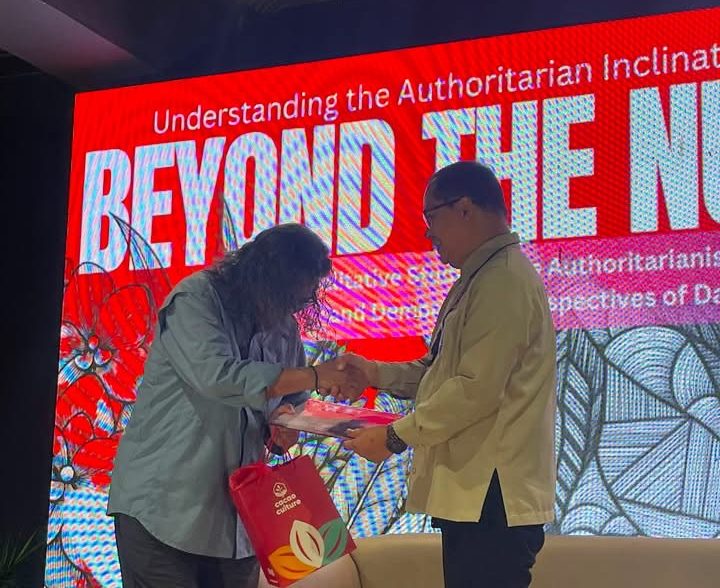
Across government, civil society, faith institutions, media, and local neighborhood assemblies, our immediate task is to convert these insights into everyday civic practice. We must cultivate safe spaces for constructive dissent, build critical digital literacy, and institutionalize citizen participation down to the barangay level. The persistent democratic aspirations identified by our researchers prove that our political culture is not static. Our shared calling is not to dismantle an effective governance model, but to democratize its effectiveness—evolving our local pride into a civic identity that is both fiercely disciplined and deeply, participatory.


