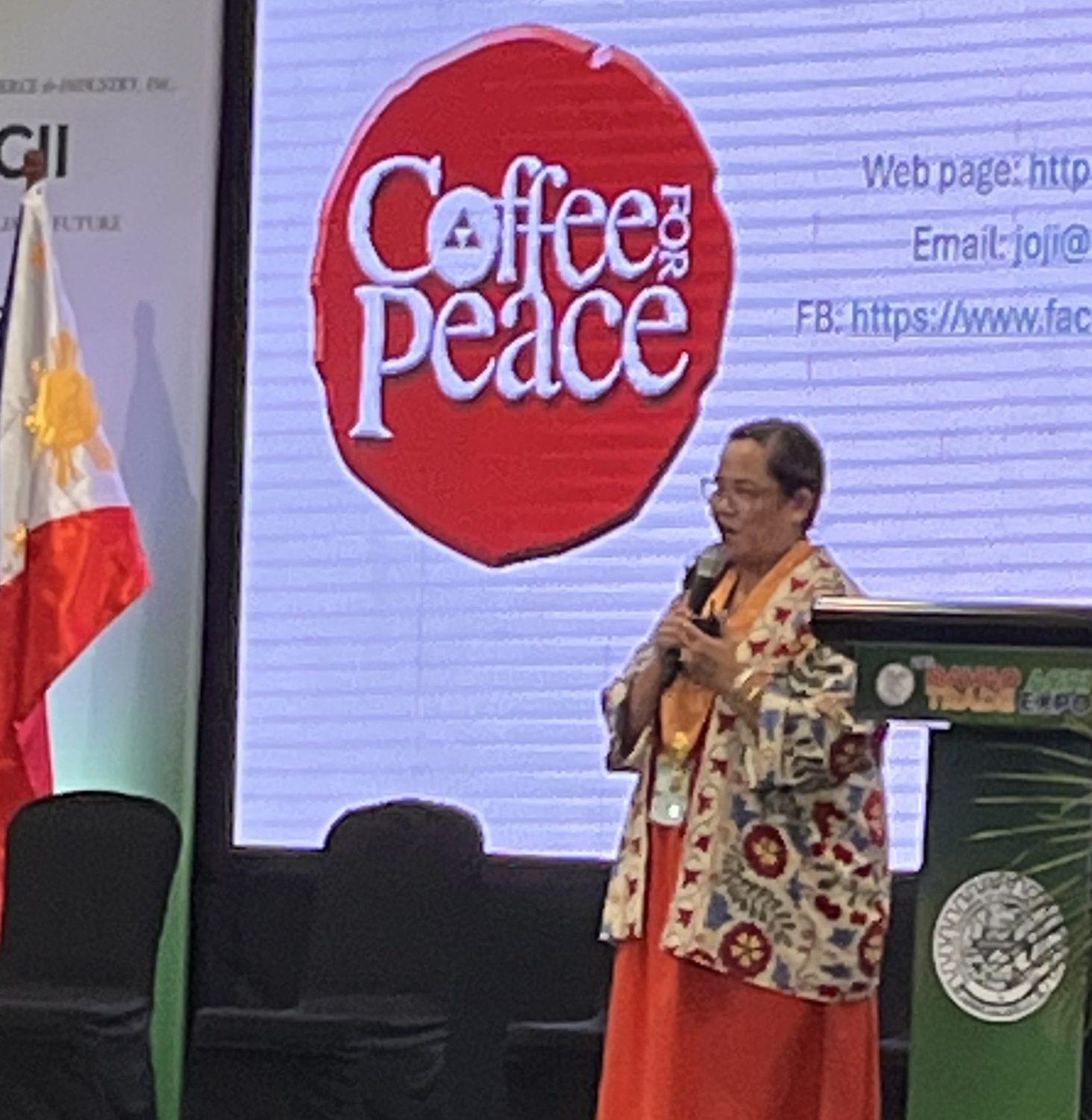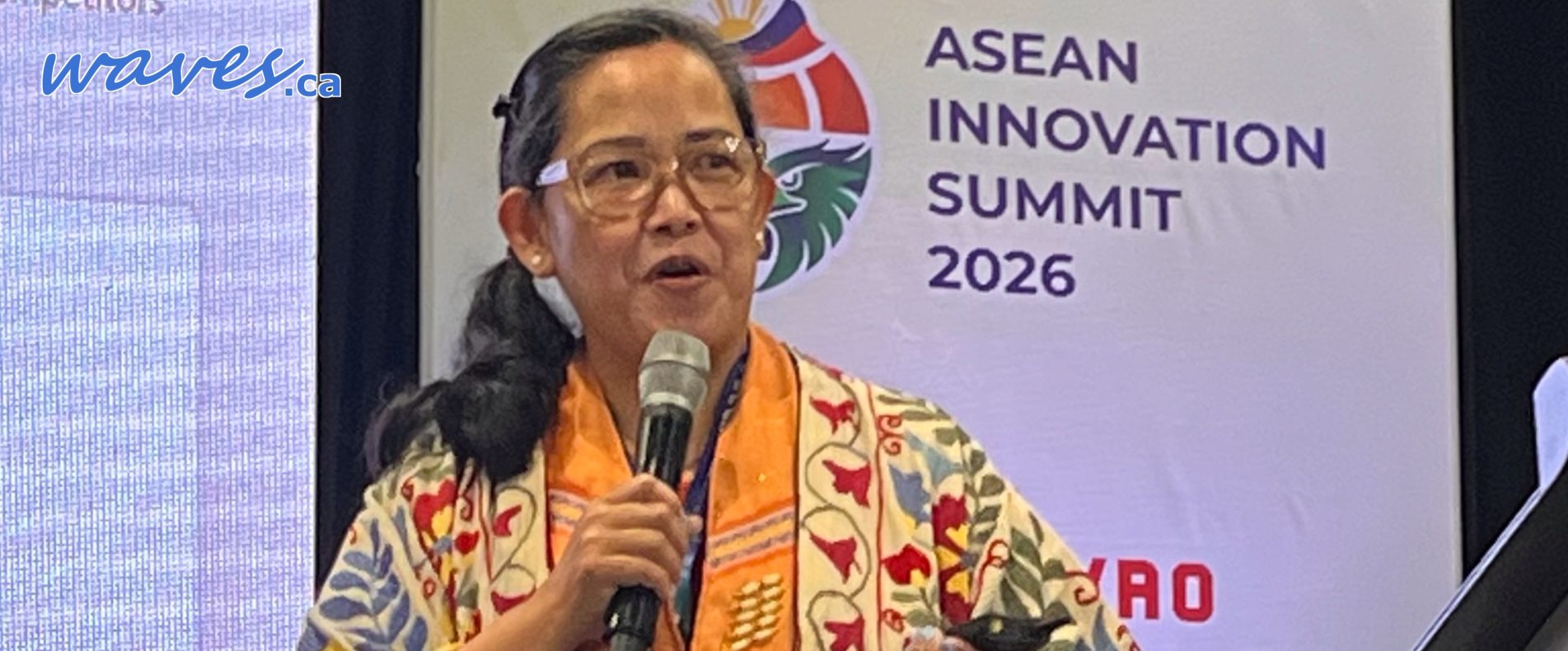
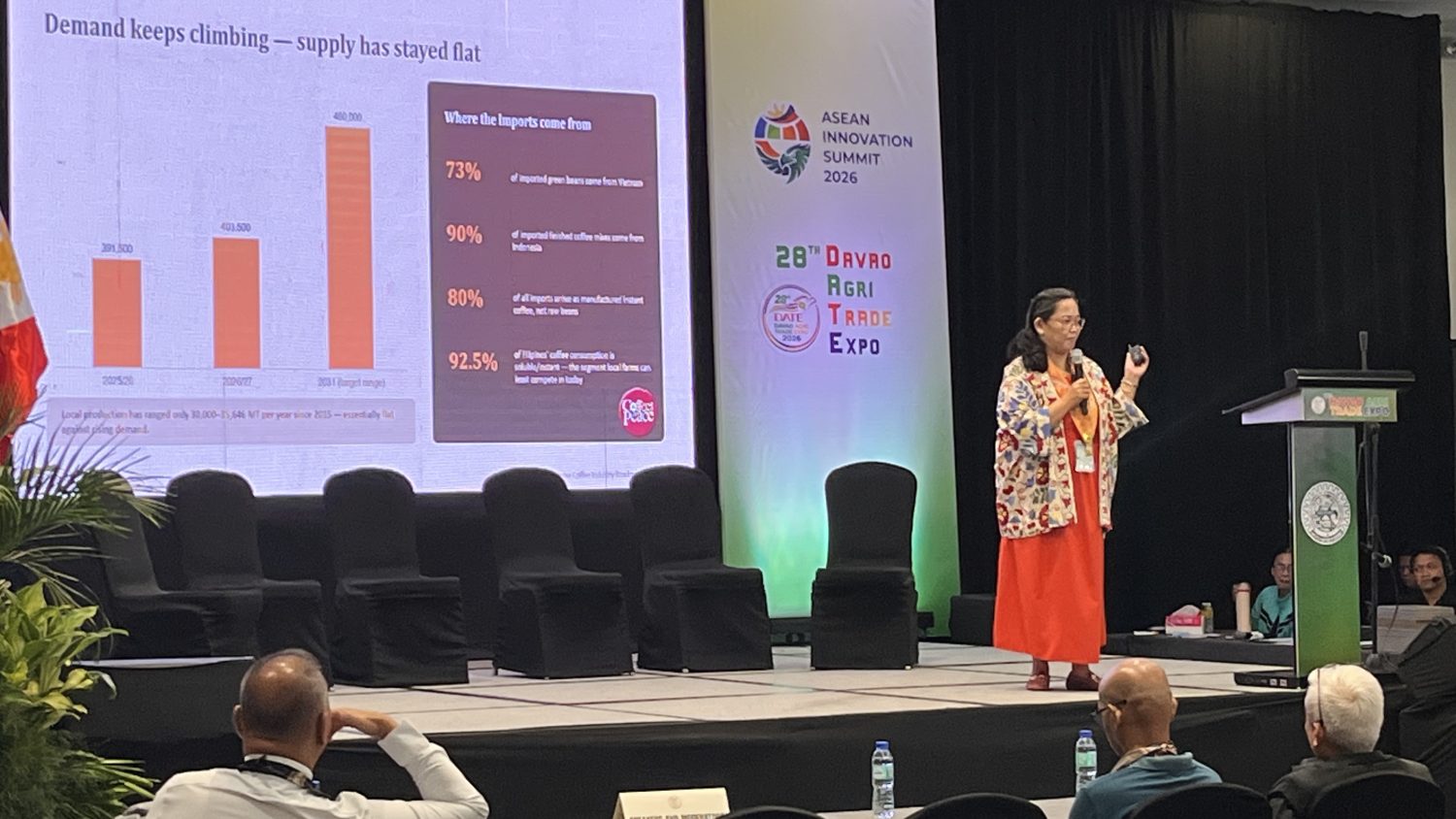
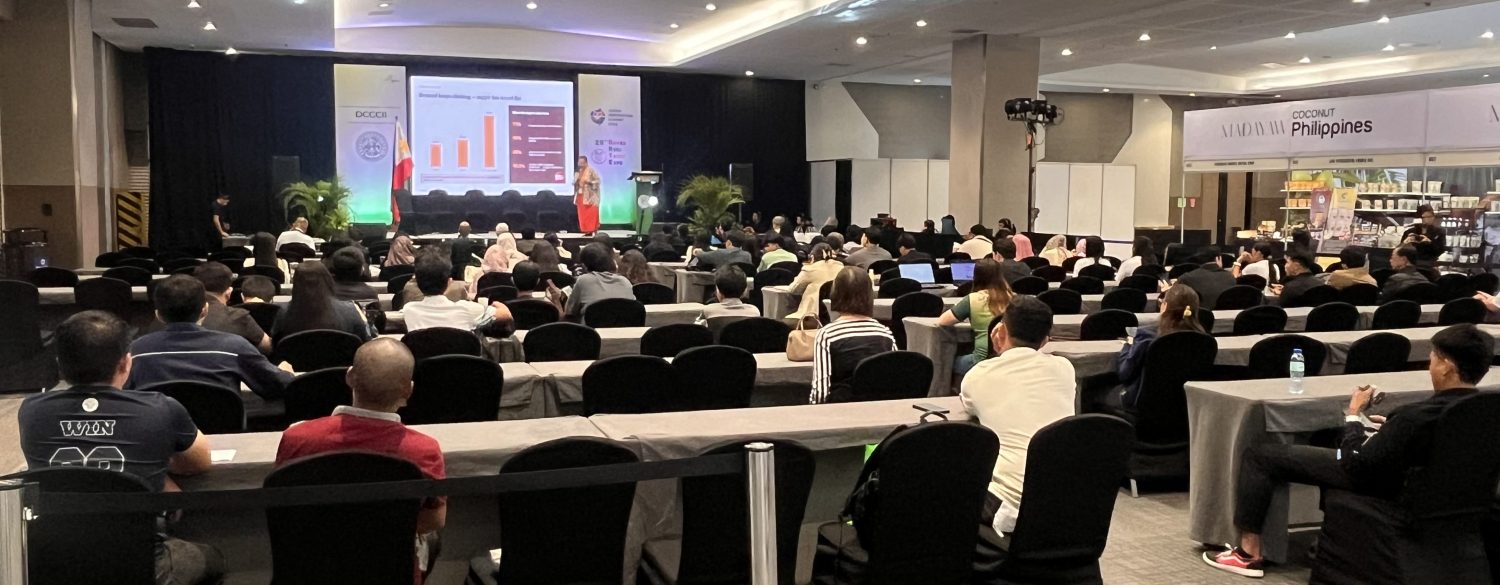
The 28th Davao Agri Trade Expo 2026 demonstrated the continuing evolution of Mindanao agriculture — from an emphasis primarily on production toward a more integrated vision involving innovation, enterprise, investment, market access, technology, regional trade, and inclusive growth. Held at SMX Convention Center, SM Lanang, from 17–19 September, the expo provided a significant meeting place for agricultural and business stakeholders from Mindanao and beyond. The event was organized by the Davao City Chamber of Commerce and Industry, Inc. (DCCCII) and was held alongside the inaugural ASEAN Innovation Summit 2026. Within this larger gathering, Joji Pantoja of Coffee for Peace brought an important human and social dimension to the conversation through her roles as plenary speaker and panelist. Her participation connected agricultural development with the realities of farmers, Indigenous communities, social entrepreneurship, peacebuilding, and responsible stewardship of creation.
A major platform for Mindanao agriculture
DATE 2026 was positioned as more than an agricultural exhibition. It served as a platform for business matching, market linkages, technology, investment, innovation, and collaboration across the agricultural value chain.
The expo featured important Mindanao commodities and emerging agricultural opportunities, including coffee, cacao, coconut, banana, ube, durian, livestock, poultry, and aquaculture. The simultaneous ASEAN Innovation Summit broadened the conversation toward innovation, MSME development, technology, and cross-border business cooperation.
The Department of Agriculture emphasized this broader value-chain perspective during the concurrent summit. Mr Jerome V. Oliveros, Undersecretary of the Philippine Department of Agriculture (DA) for Special Concerns and Official Development Assistance (ODA)—Foreign Aid/Grants, called for Philippine agriculture to move beyond production toward processing, logistics, marketing, trade, and exports, with the goal of creating greater value for farmers and fisherfolk. Coffee was specifically identified among the emerging commodities with export potential.
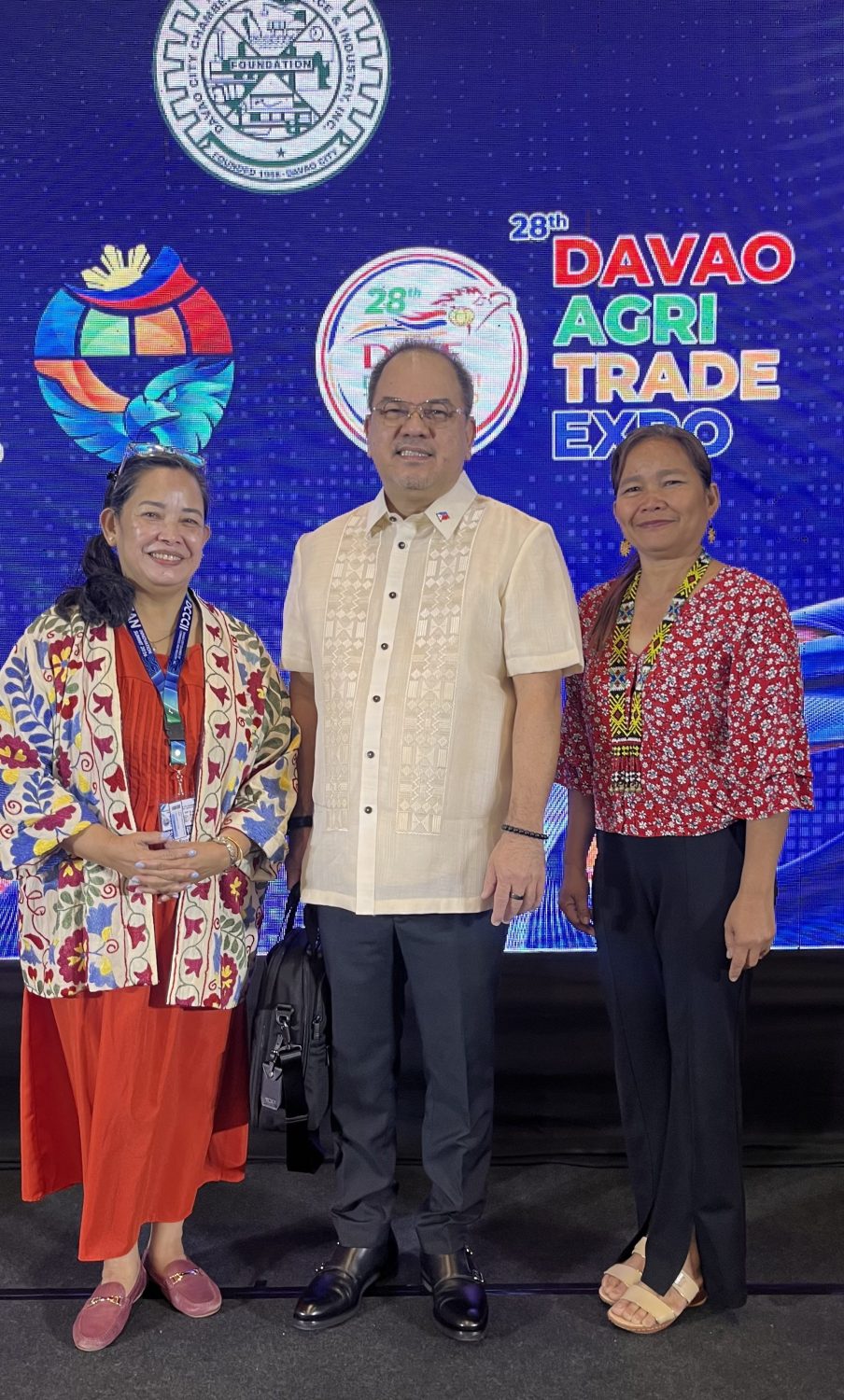
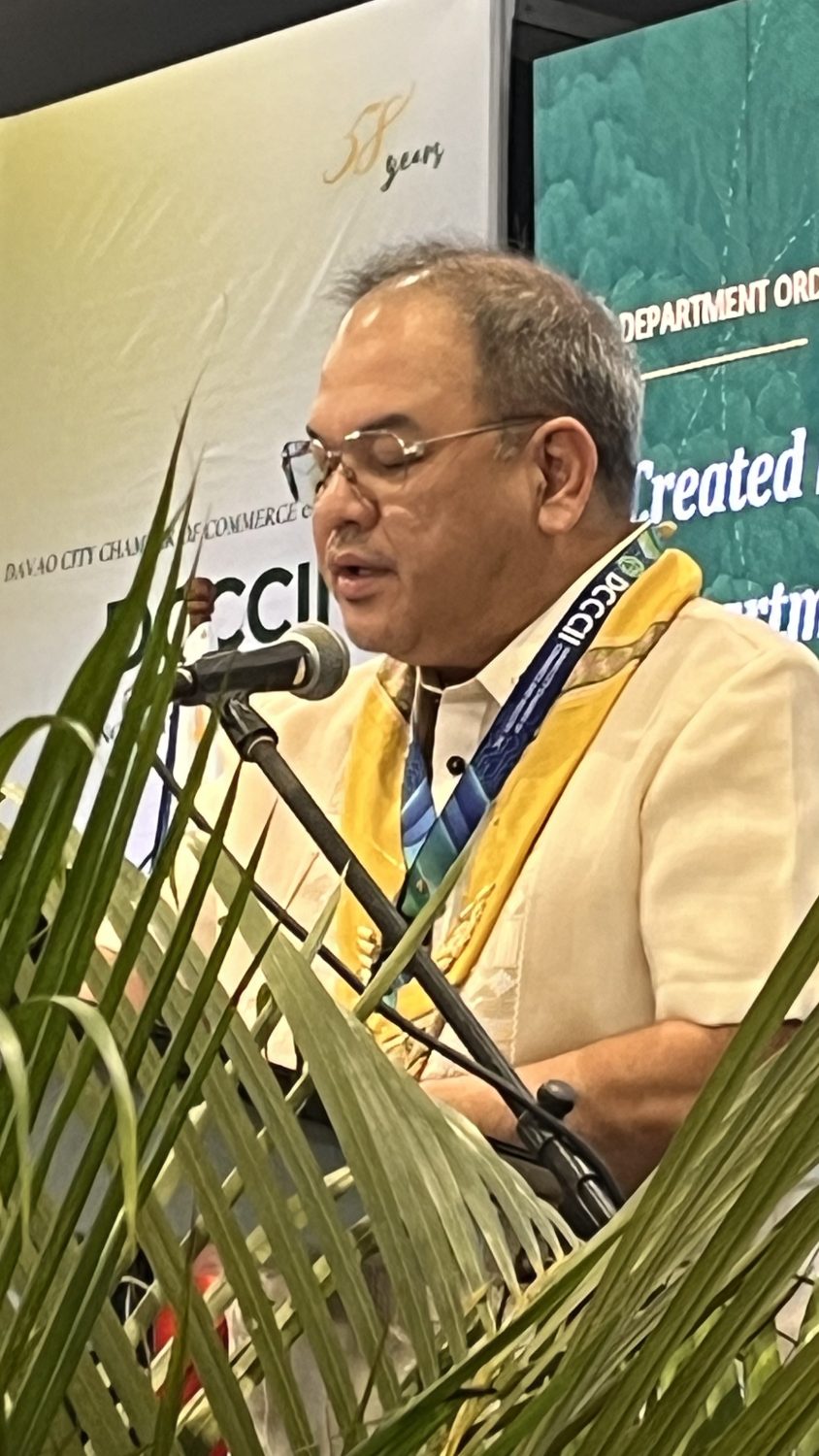
The event also had an important international dimension. Delegations and participants from ASEAN and other countries were brought together around trade, investment, innovation, and agribusiness. This complemented Davao’s continuing effort to position itself as a gateway for ASEAN and BIMP-EAGA economic cooperation.
Joji Pantoja: Bringing Coffee, Peace, and Social Enterprise Into the Conversation
A particularly significant contribution to DATE 2026 was the participation of Felicitas “Joji” Pantoja, President and CEO of Coffee for Peace, Inc. (CFP).
Joji participated as a plenary speaker and member of a panel discussion, bringing to the agricultural and business community a perspective that connects coffee production with social entrepreneurship, Indigenous Peoples, peacebuilding, farmer empowerment, and inclusive development.
Her participation is significant because Coffee for Peace approaches coffee not simply as an agricultural commodity but as a vehicle for transforming relationships and communities. CFP’s documented work describes coffee as a platform for justice, healing, cultural celebration, and sustainable livelihoods, particularly among Indigenous and conflict-affected communities in Mindanao.
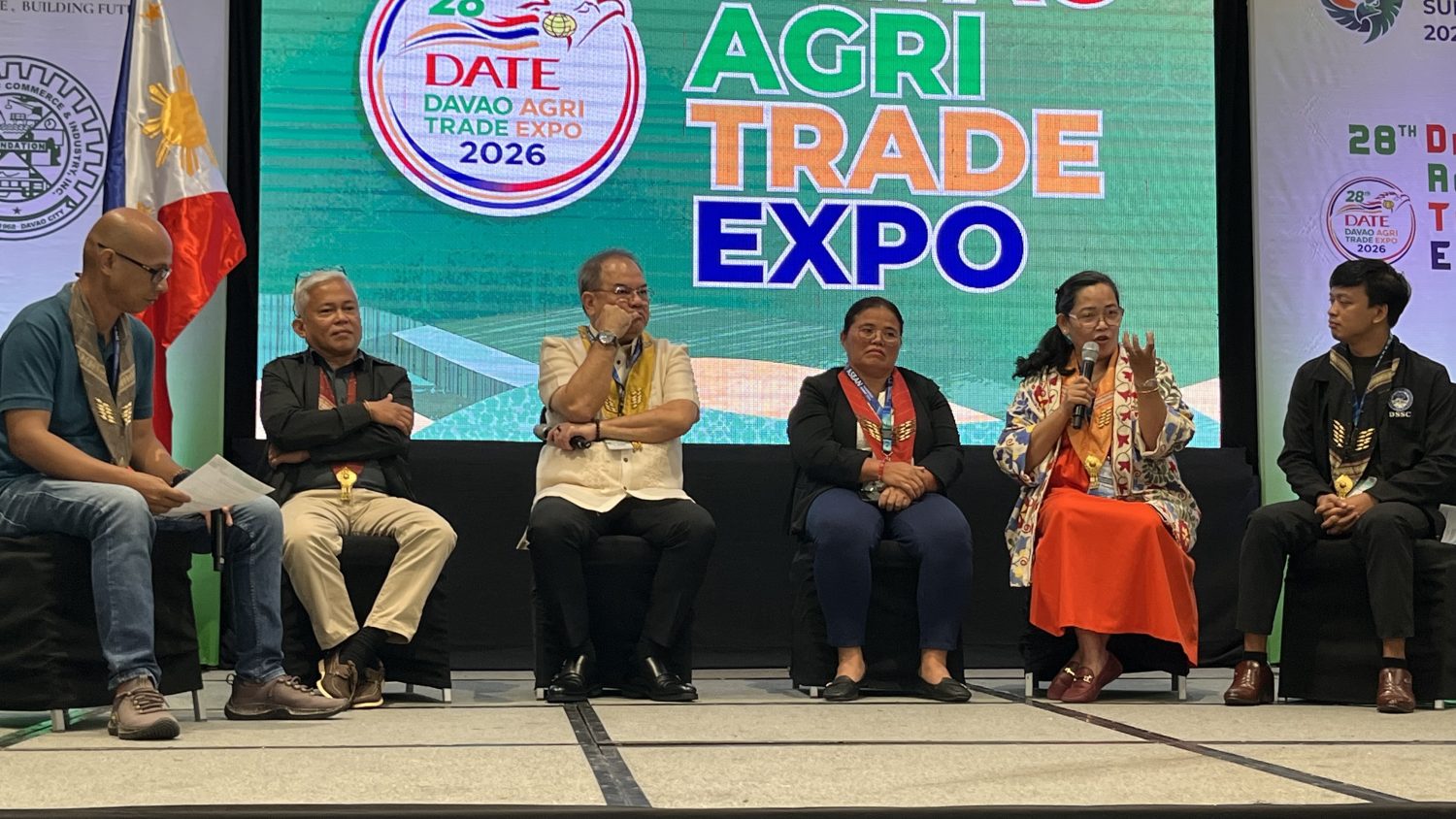
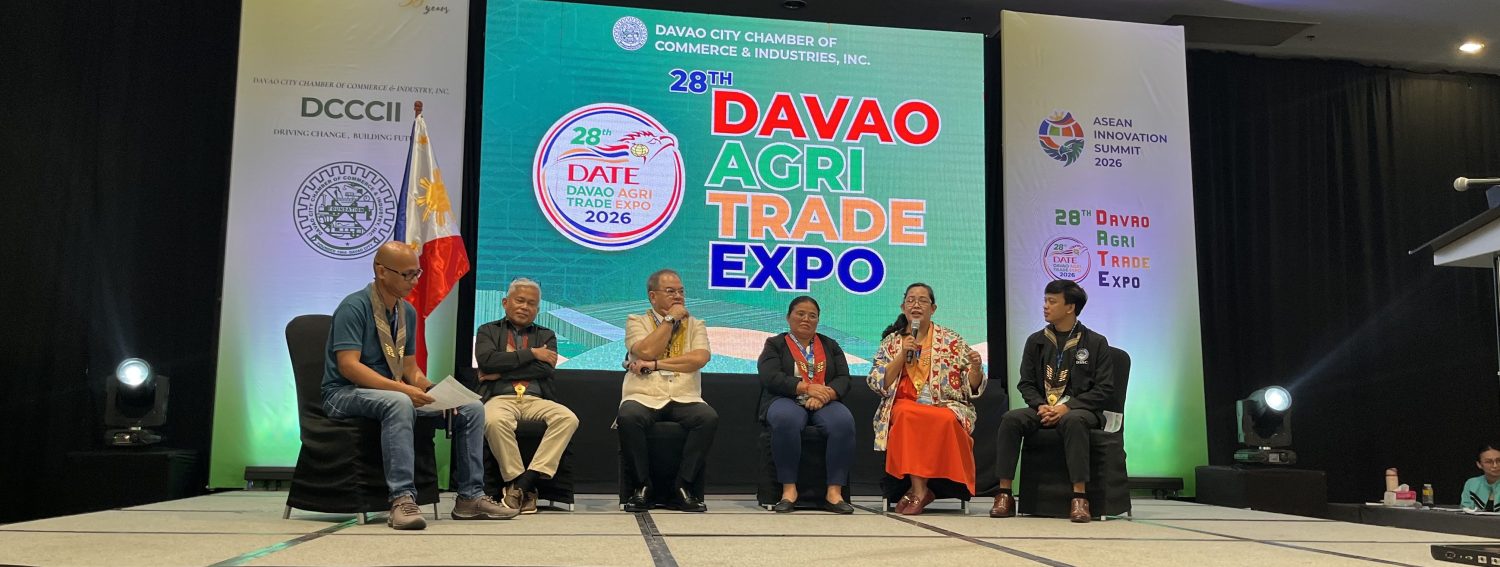
Joji’s broader leadership in the regional coffee sector is also well established. Coffee for Peace identifies her as a peacebuilder working with Indigenous and Islamized farming communities, while her work with academic and agricultural partners has sought to combine ancestral knowledge, scientific research, climate-smart agriculture, quality improvement, and social entrepreneurship.
This made her contribution to DATE especially relevant. The future of agriculture is not only about increasing production. It is also about asking:
:: Who benefits from agricultural growth?
:: How are farmers positioned within the value chain?
:: How can Indigenous knowledge and land stewardship be respected?
:: How can agriculture contribute to peace and community resilience?
These questions are central to the Coffee for Peace approach.
Coffee as an Engine for Inclusive Agricultural Development
Joji’s presence at DATE 2026 also highlighted the growing importance of coffee within Mindanao’s agricultural economy.
Coffee has increasingly become part of conversations about high-value crops, rural entrepreneurship, Indigenous livelihoods, climate resilience, and export development. At the same time, Coffee for Peace’s experience demonstrates that strengthening coffee communities requires more than distributing seedlings or improving farm production.
It requires developing the entire ecosystem: farmer → farm → processing → quality → enterprise → market → community development.
Coffee for Peace’s work has included social entrepreneurship training, sustainable agriculture, post-harvest improvement, partnerships with educational institutions, coffee tourism, and initiatives designed to strengthen farmers’ participation in the coffee value chain.
Joji therefore brought to DATE a distinctive message: agricultural development can be simultaneously economic, social, cultural, ecological, and peacebuilding work.
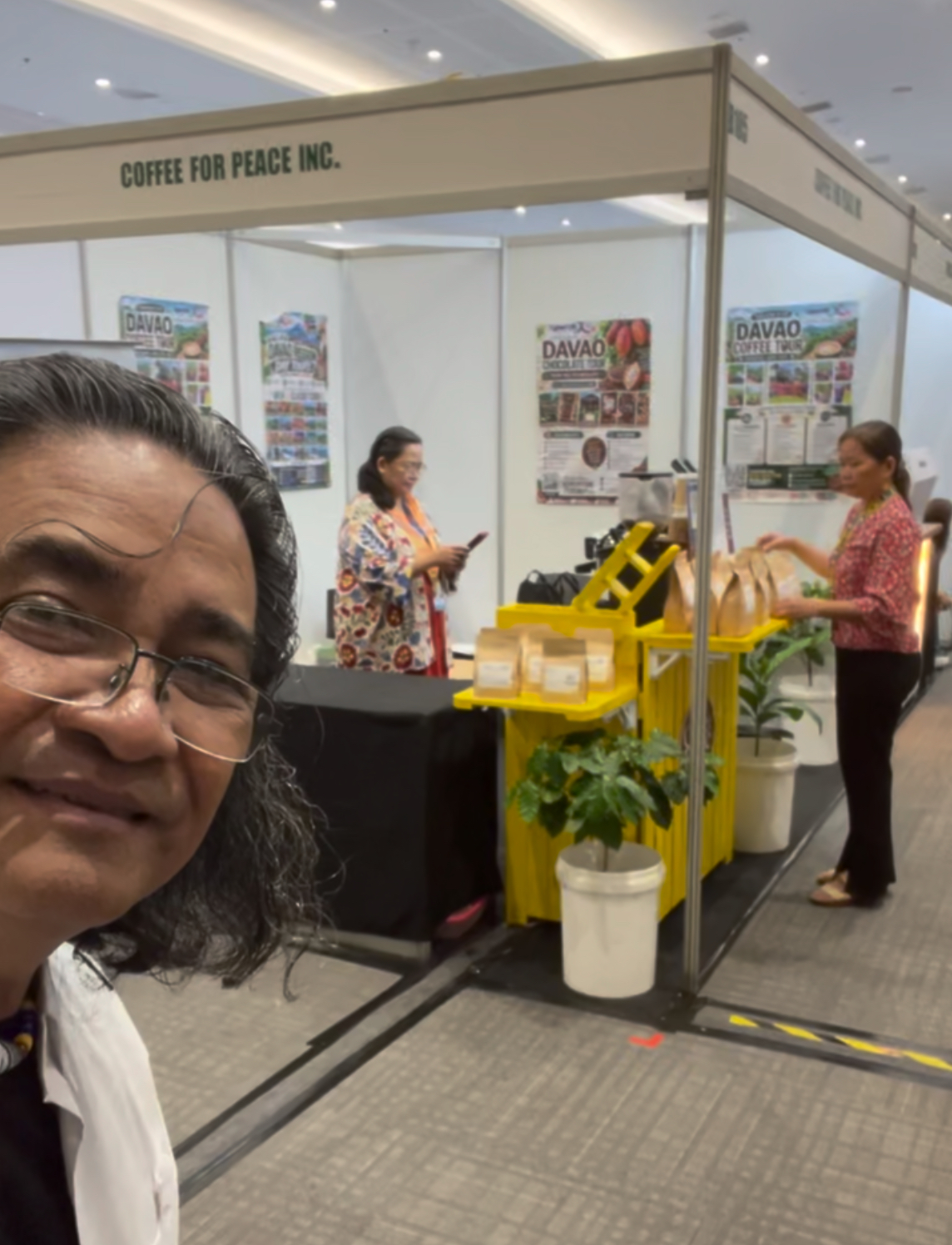
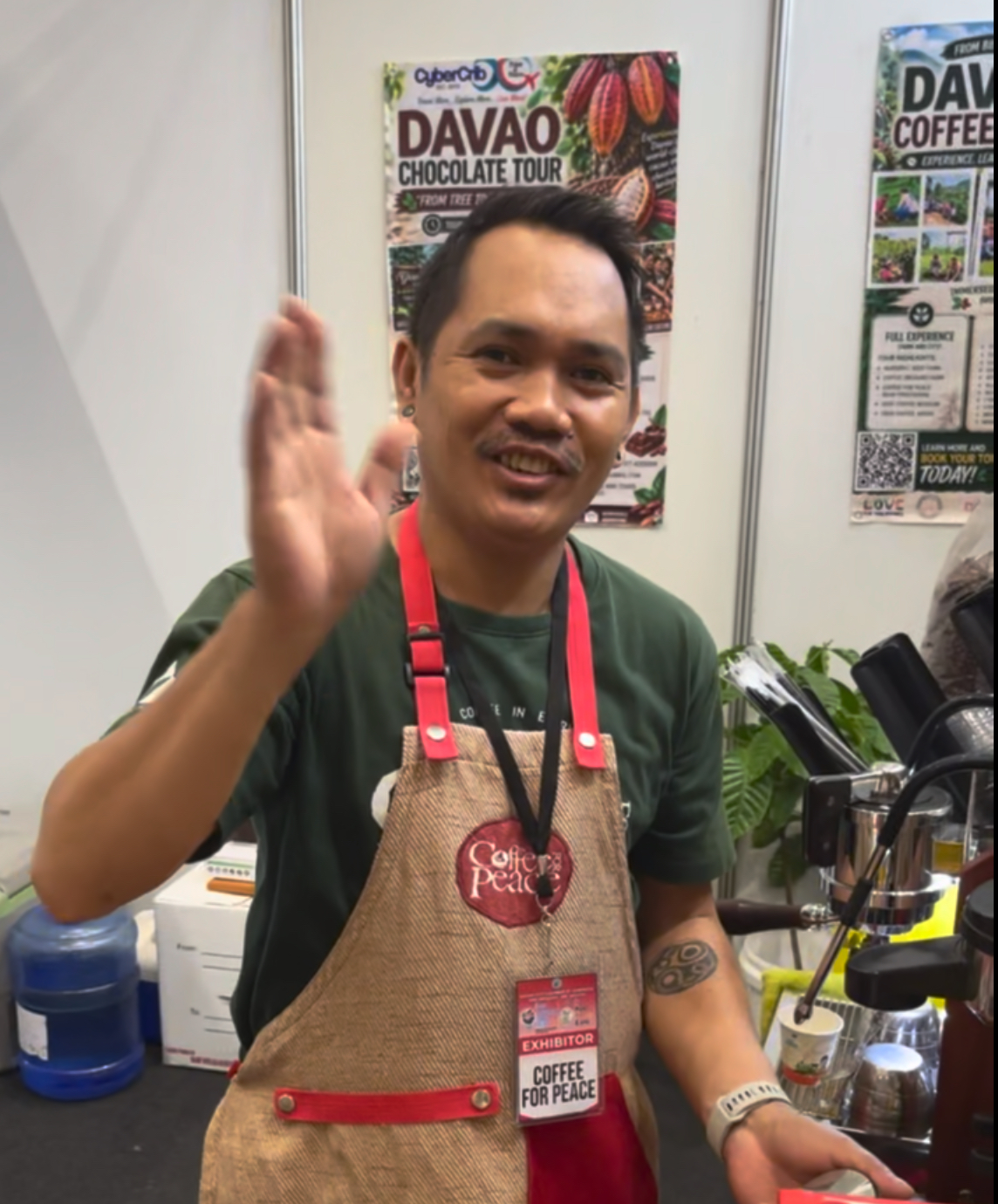
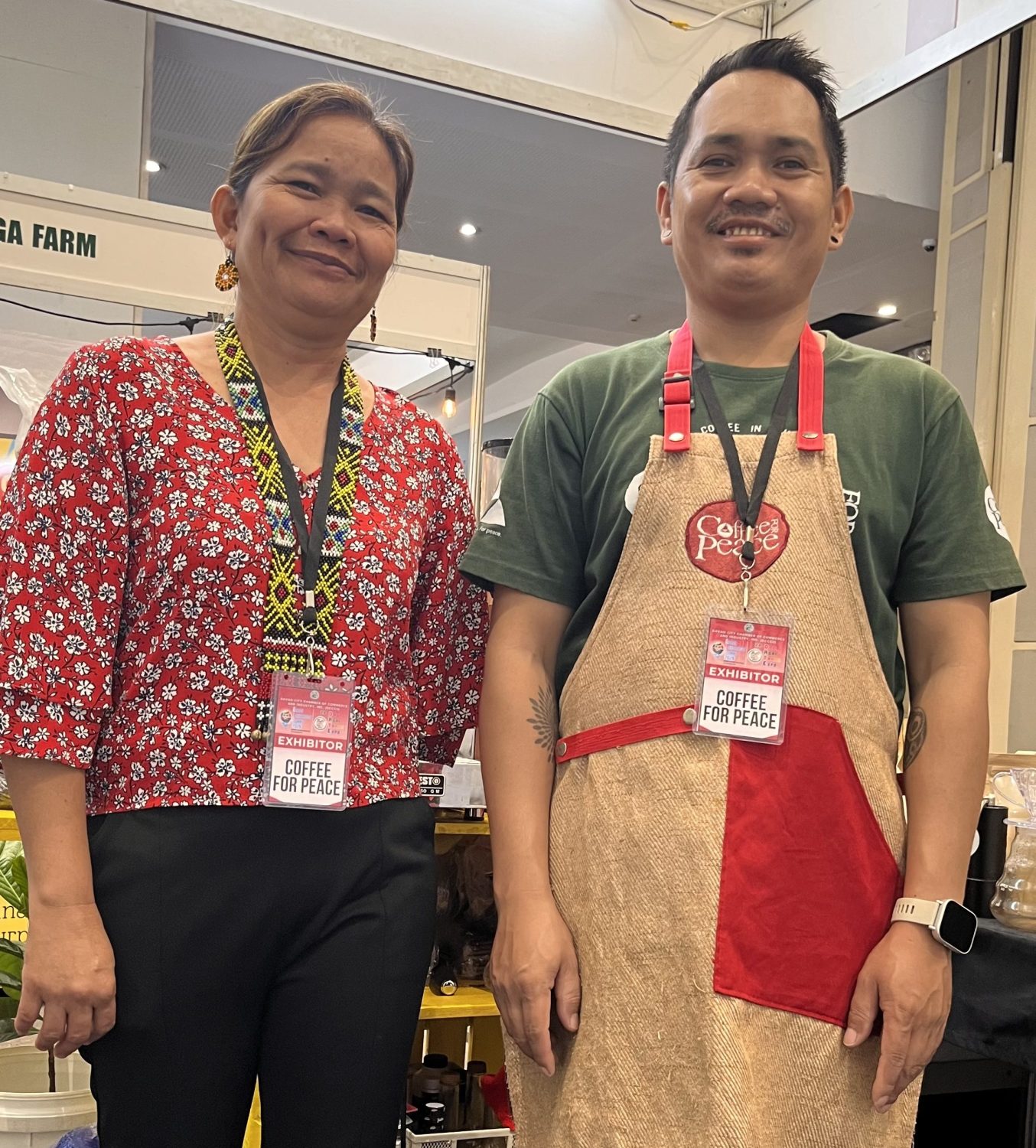
Connecting Agriculture with the ASEAN Future
The decision to hold DATE alongside the first ASEAN Innovation Summit added another important dimension to the 2026 event.
The ASEAN Innovation Summit focused on bringing together founders, investors, policymakers, innovators, and industry leaders, while DATE provided a strong agricultural and agribusiness foundation. The combination created a broader environment for connecting traditional agricultural enterprises with technology, investment, innovation, and regional markets.
For Mindanao, this convergence is particularly important. Agriculture remains deeply connected to rural livelihoods, Indigenous communities, food security, manufacturing, logistics, and trade. Innovation therefore has to reach beyond urban technology companies and become meaningful for farmers, cooperatives, MSMEs, processors, and rural entrepreneurs.
Joji Pantoja’s participation represented this intersection well: coffee as agriculture, coffee as enterprise, coffee as community development, and coffee as peacebuilding.
Significance for Coffee for Peace
For Coffee for Peace, Joji’s participation in DATE 2026 represents another opportunity to bring its peacebuilding-through-enterprise model into a major agricultural and business platform in Mindanao.
CFP’s experience demonstrates that farmers can be understood not merely as beneficiaries of development programs but as entrepreneurs, producers, community leaders, custodians of land, and partners in peace.
This perspective complements the broader direction of DATE 2026 toward innovation, competitiveness, market development, and regional cooperation.
It also reinforces a fundamental proposition at the heart of Coffee for Peace: A cup of coffee can become a meeting place where people, communities, cultures, markets, and aspirations come together.