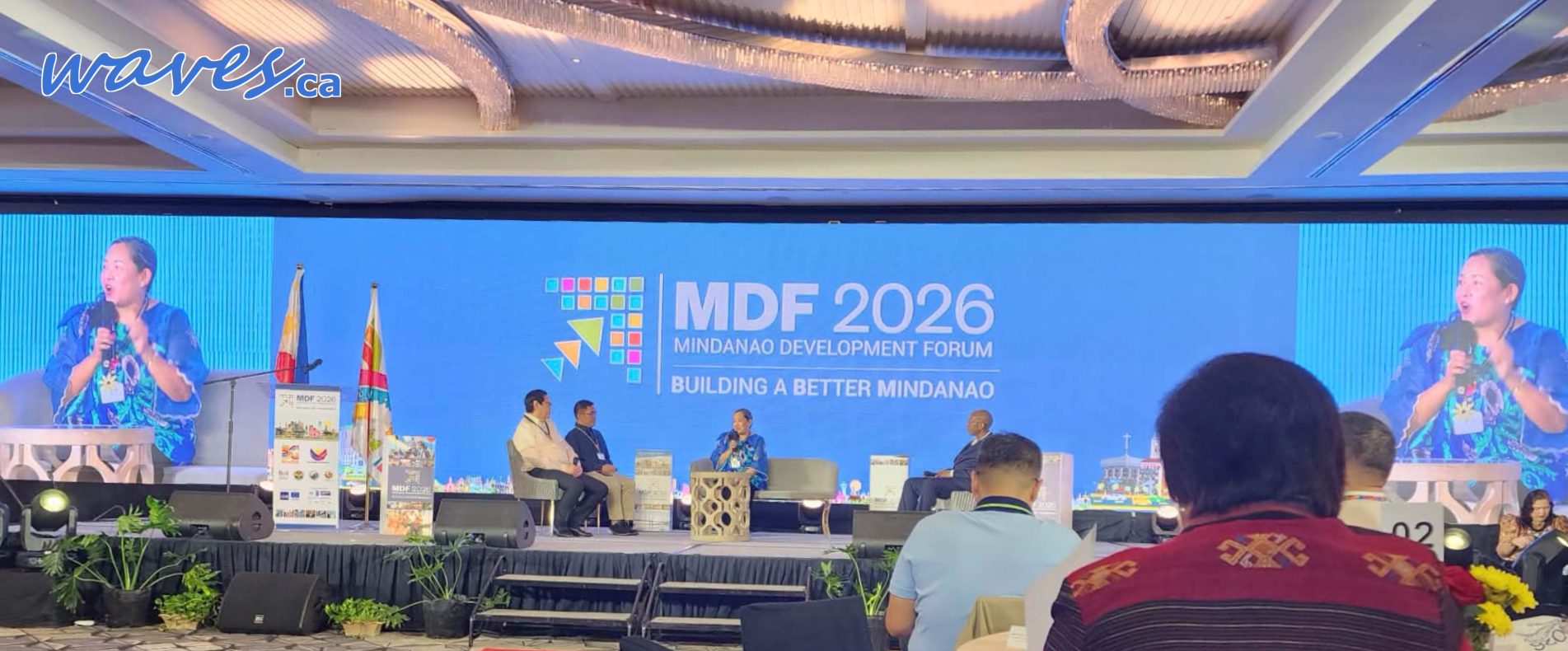
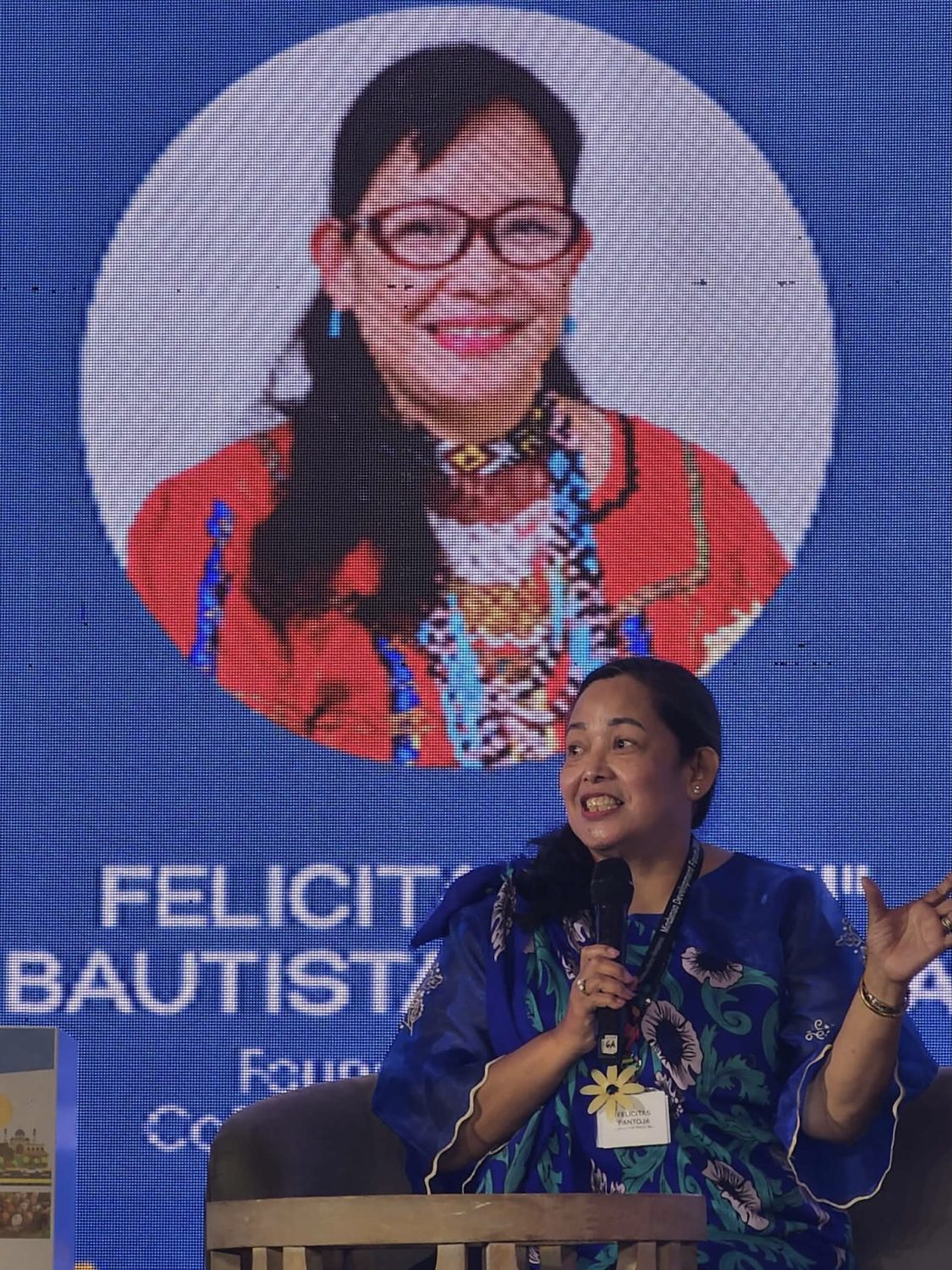
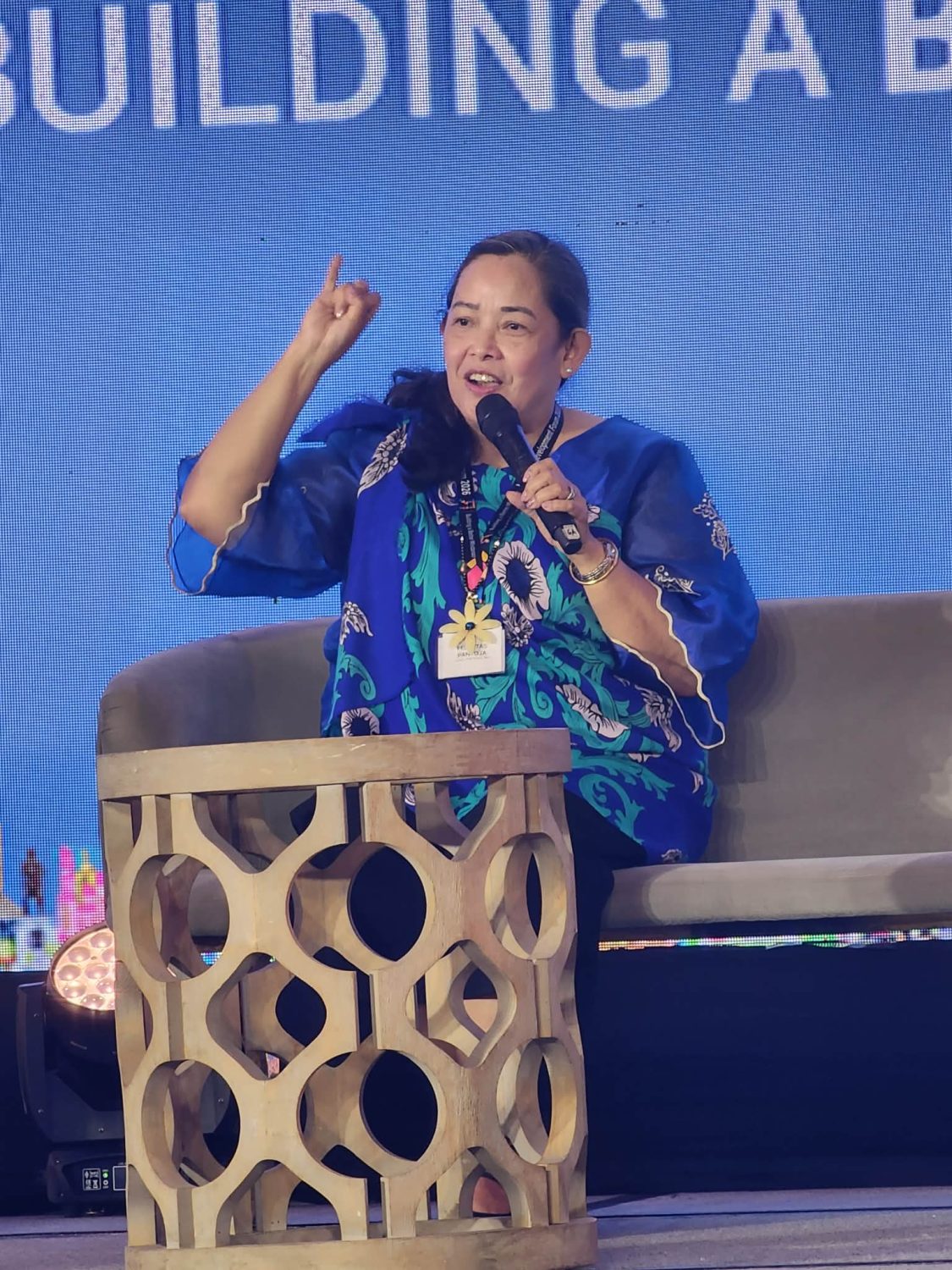
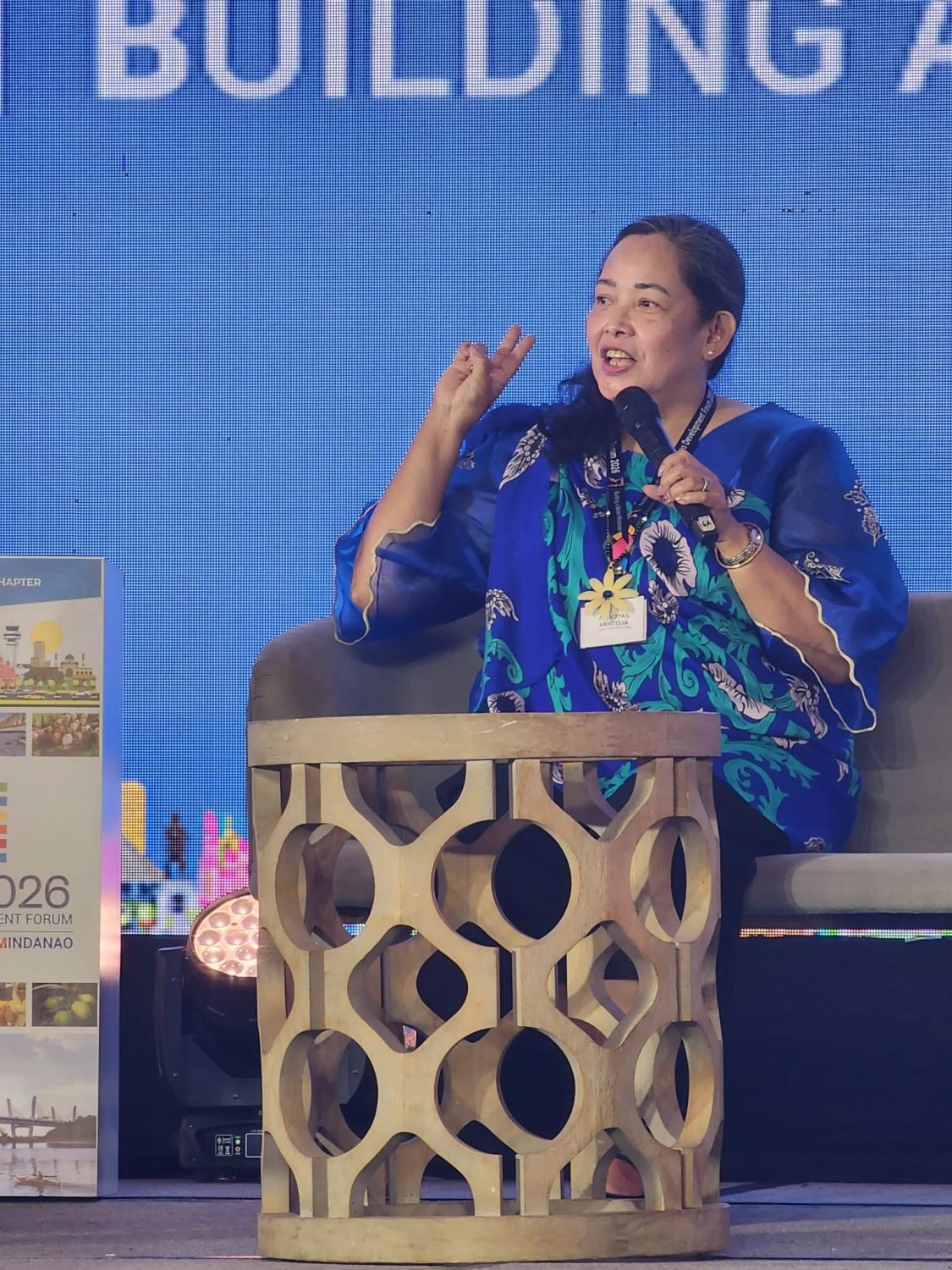
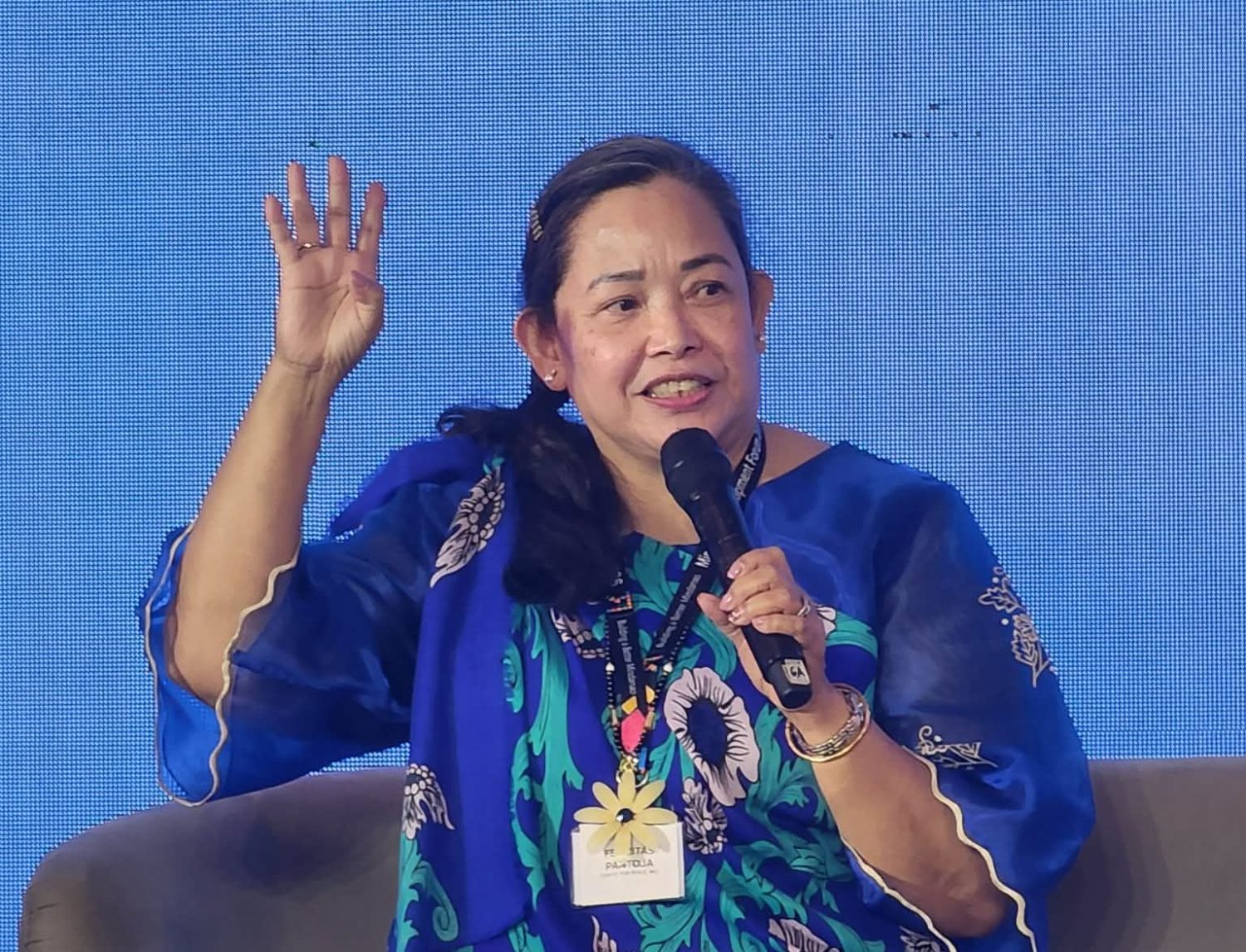
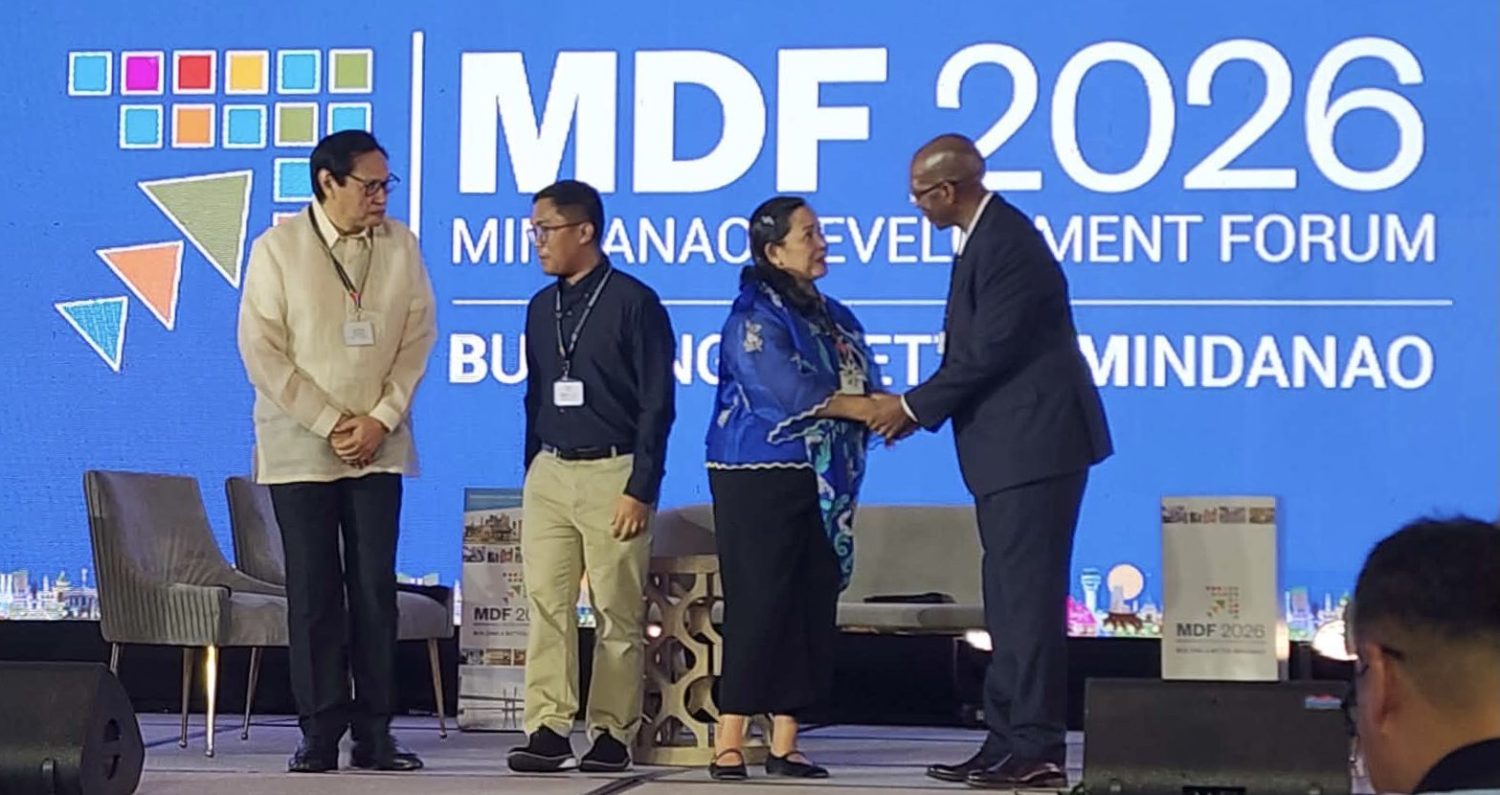
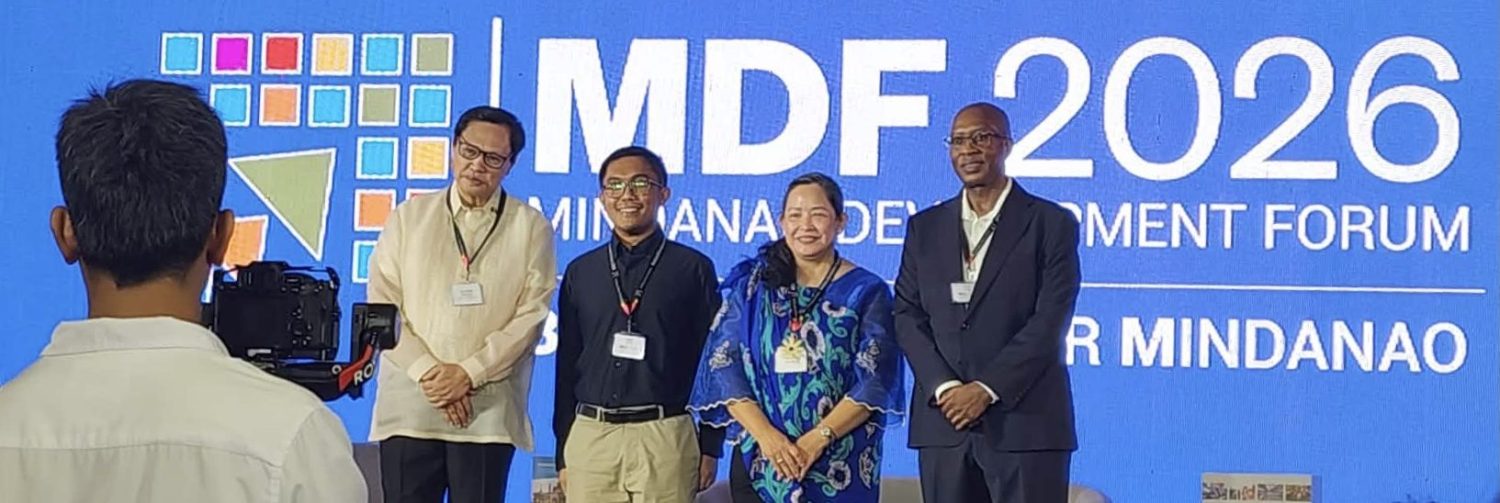
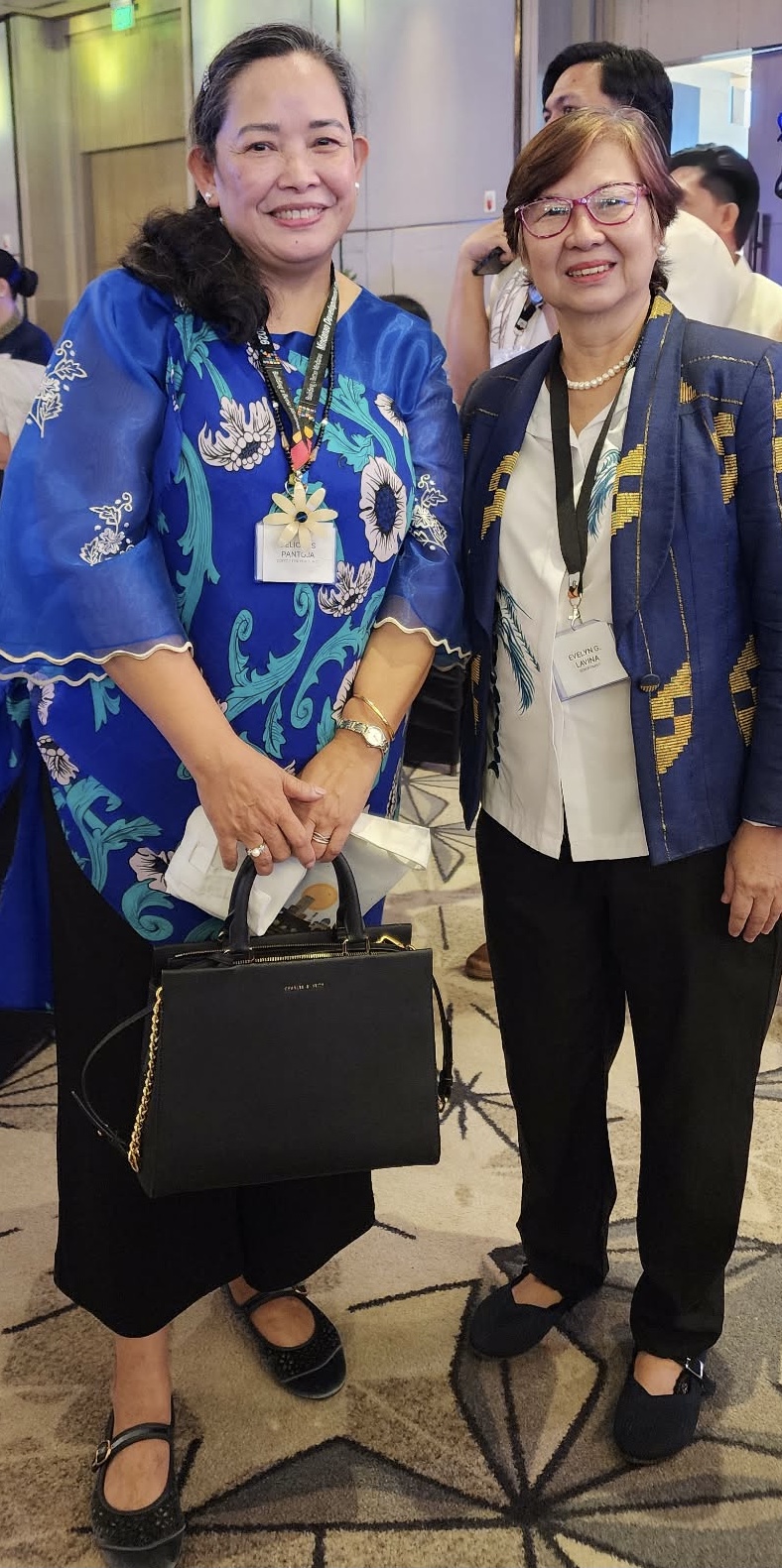
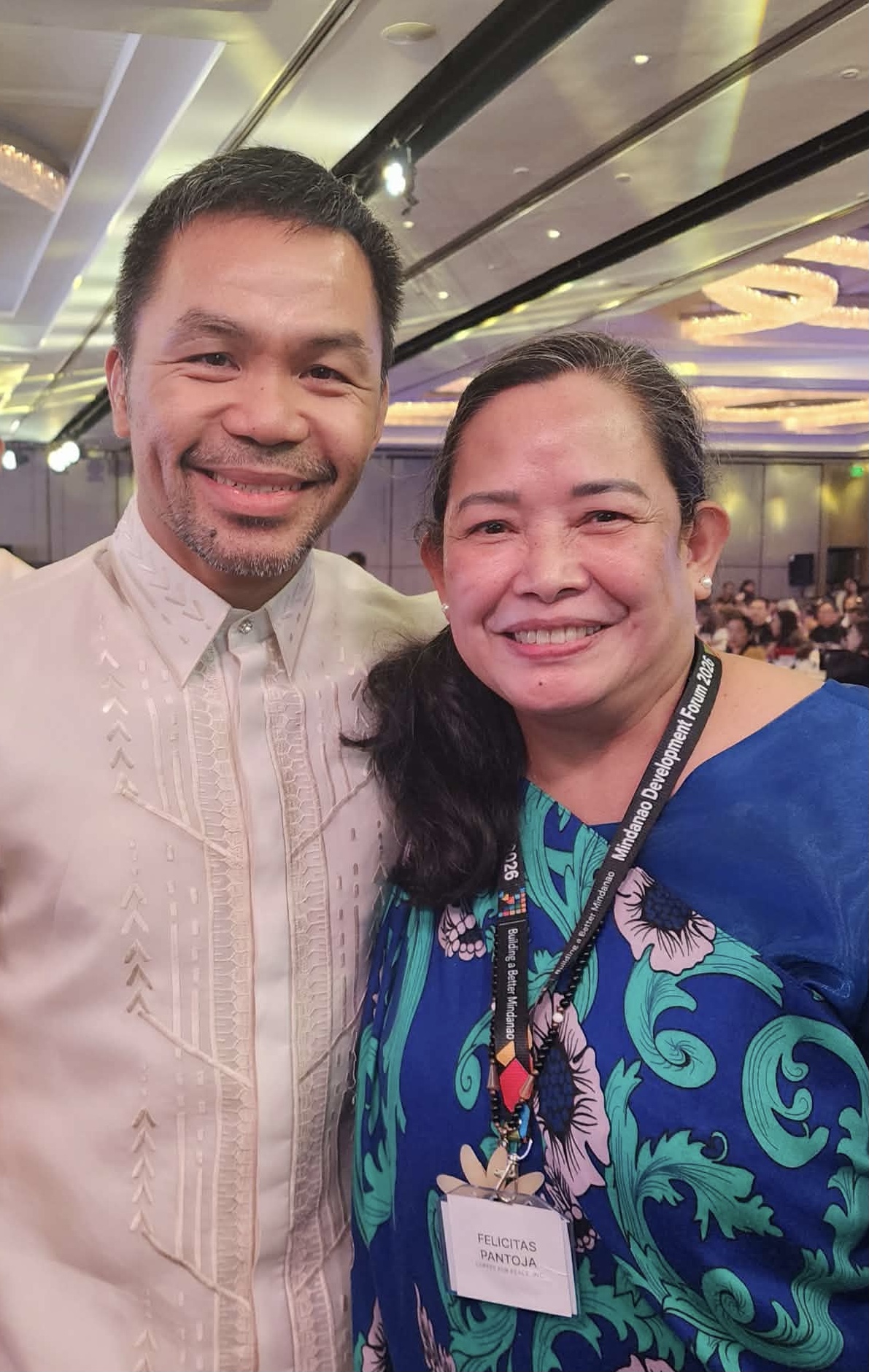
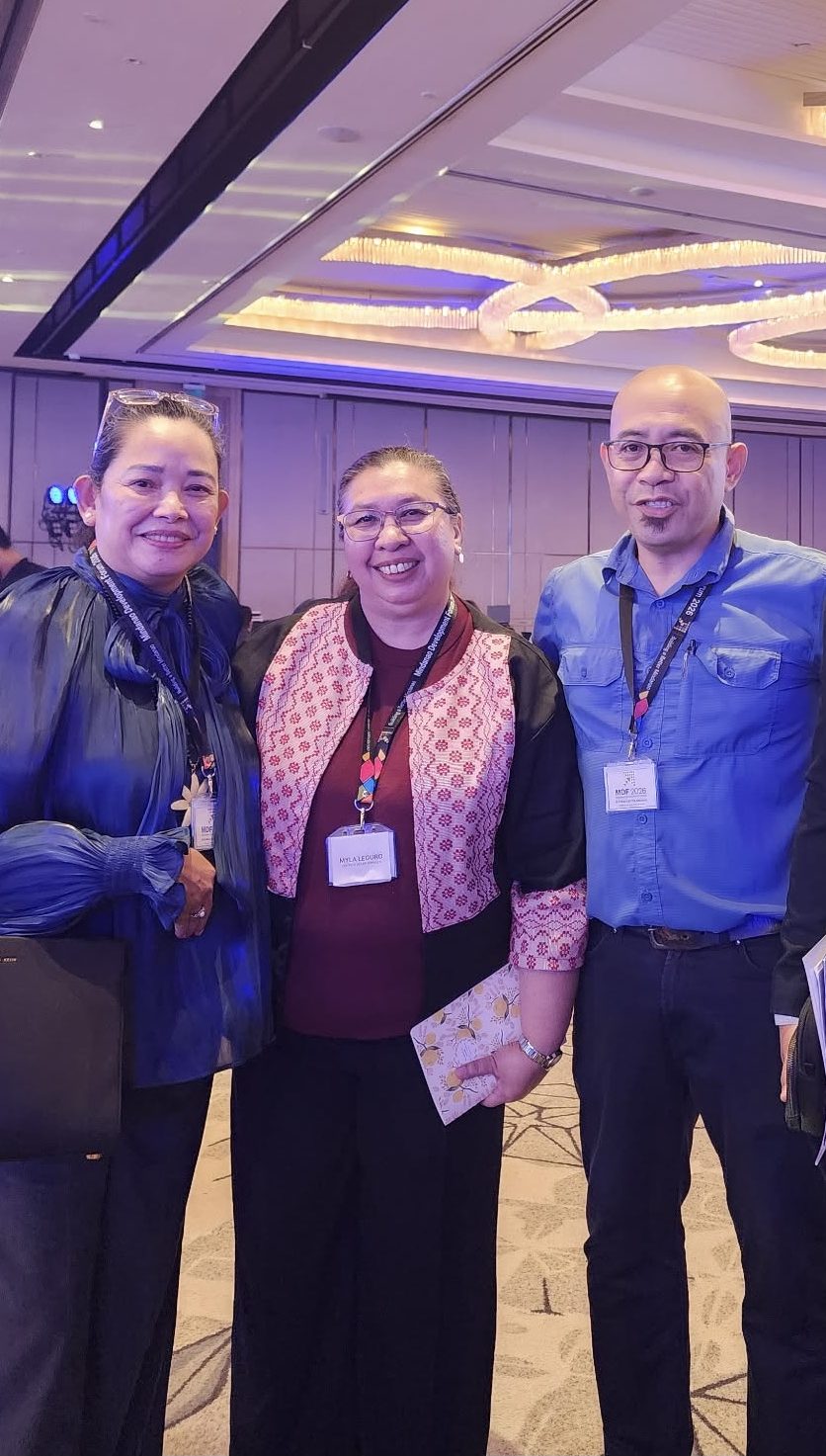
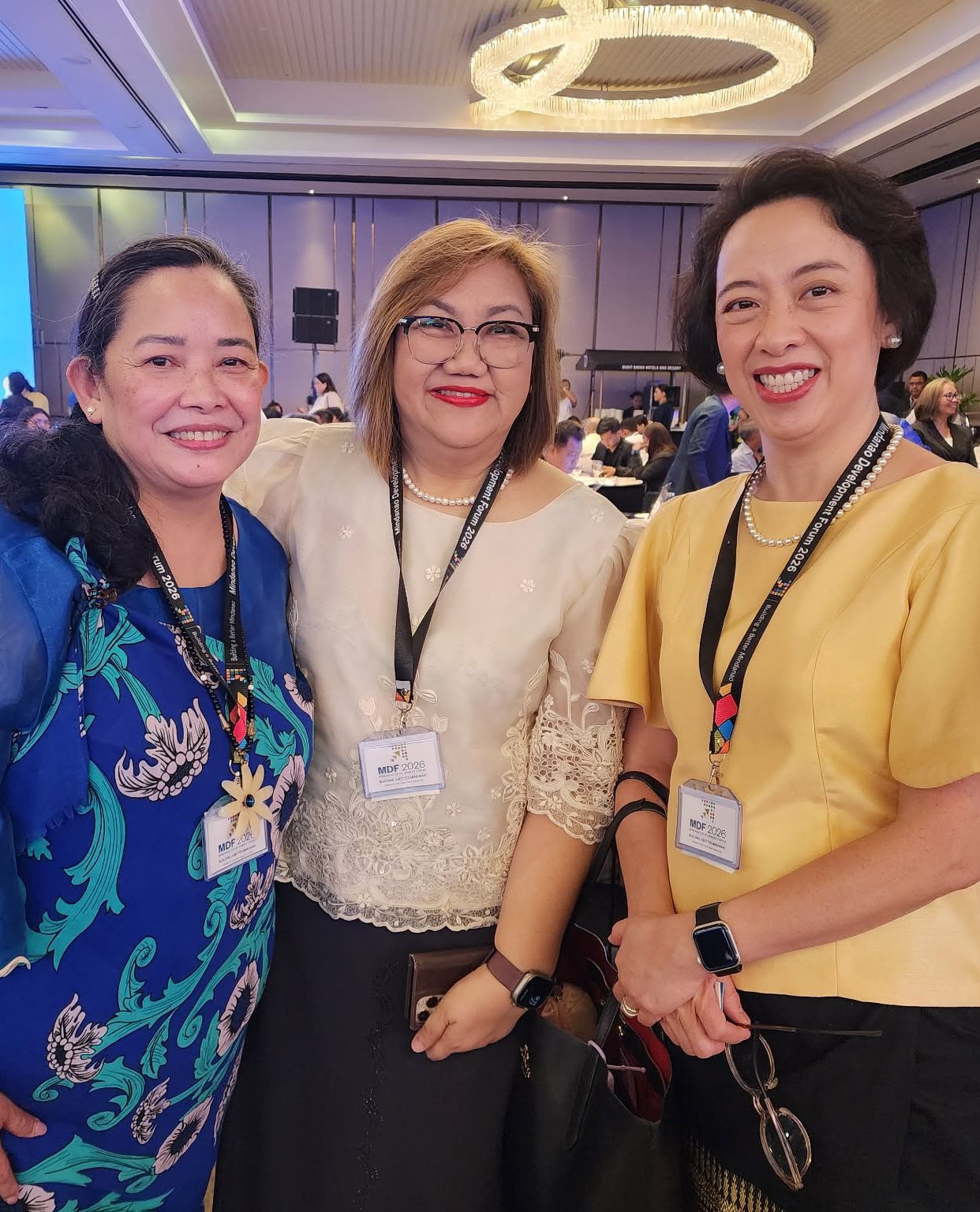
Last 27-28 October 2026, government leaders, international diplomats, corporate executives, and development advocates gathered at the Dusit Thani Davao for the Mindanao Development Forum (MDF) 2026. Under the overarching theme “Mindanao’s Next Growth Chapter: Mobilizing Private Sector and Development Partnerships for Shared Prosperity,” the two-day summit convened the island’s key visionaries to pave the way for sustainable investments and inclusive economic expansion. Representing Coffee for Peace, Inc. (CFP), our CoFounder and CEO Felicitas “Joji” Bautista-Pantoja delivered a message during the first panel discussion of the forum’s opening morning plenary. Invited by Mindanao Development Authority (MinDA) Secretary Leo Tereso A. Magno, Ms. Pantoja shared the transformative narrative of Coffee for Peace to demonstrate how ethical social enterprise, grounded in community peacebuilding and environmental stewardship, serves as a foundation for Mindanao’s long-term economic resilience.
Choosing Mindanao: A Story of Purpose, Courage, and Impact
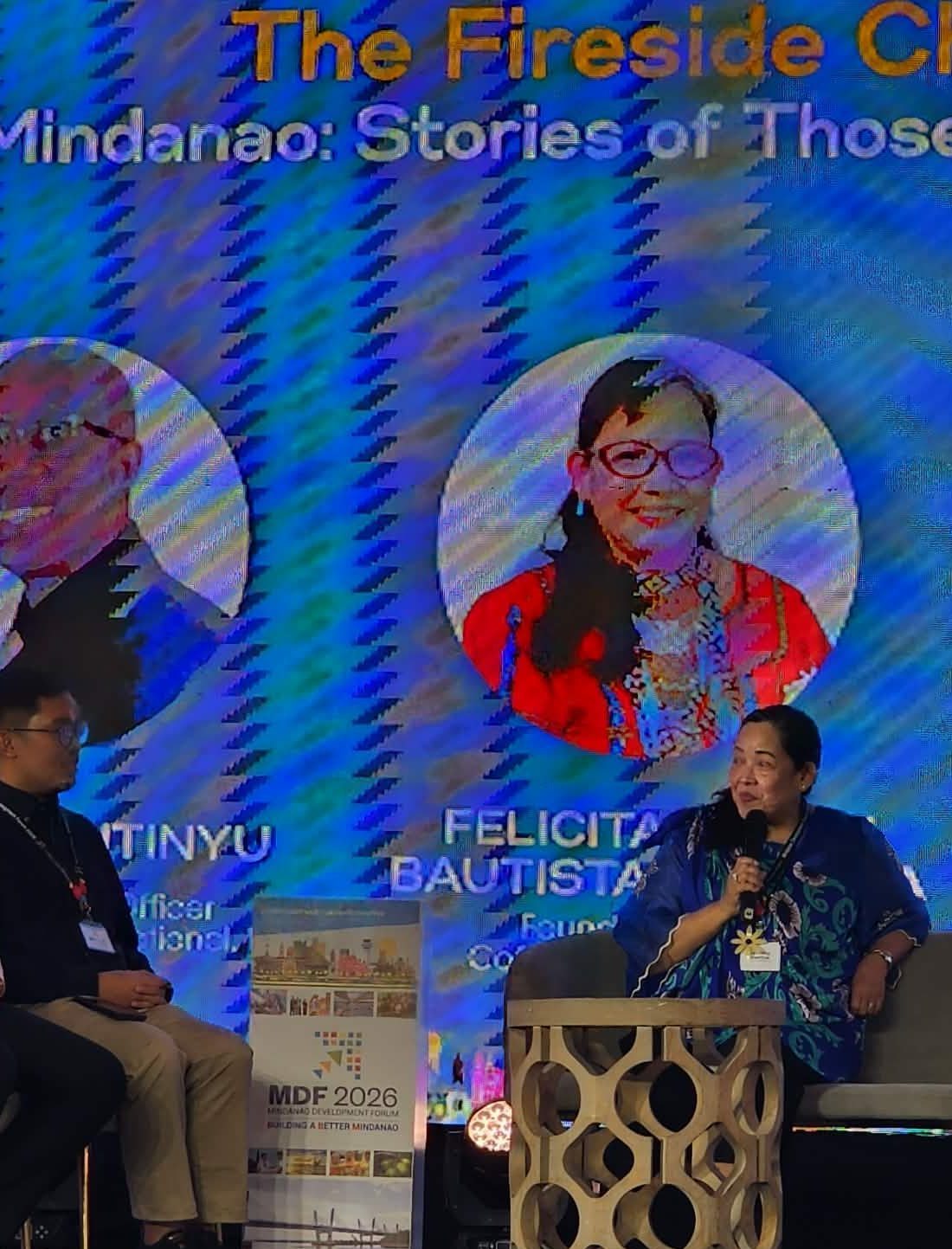
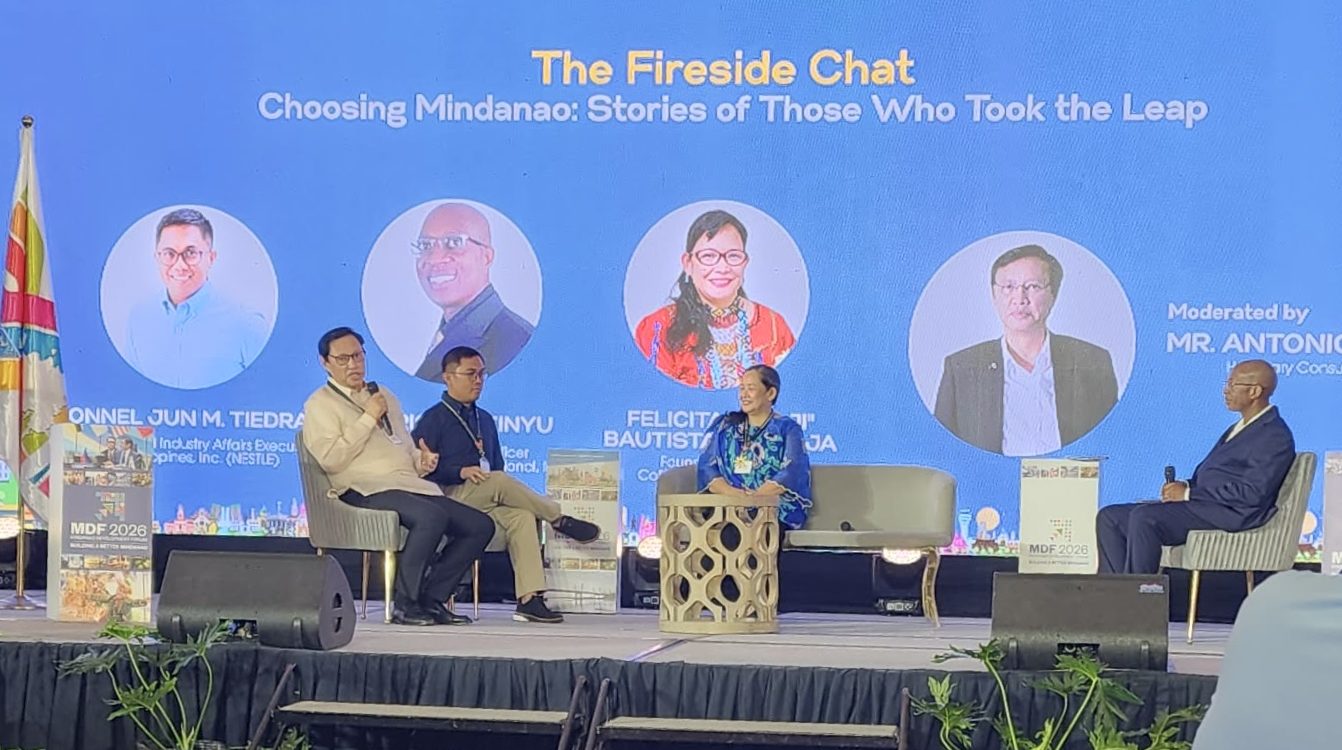
The highlight of Day 1’s morning session was the high-level Fireside Chat entitled “Choosing Mindanao: Stories of Those Who Took the Leap,” moderated by MinDA Deputy Executive Director Asec. Romeo M. Montenegro.
The panel brought together prominent corporate figures who have made bold bets on Mindanao’s economic future.
While her co-panelists represented industrial manufacturing, logistics, and export processing, Joji Pantoja brought a unique and essential voice to the stage: the voice of grassroots social enterprise.
“Investing in Mindanao” she said, “is not merely about bringing capital or erecting infrastructure. It is about investing in its people, respecting their ancestral identity, and building an ecosystem where peace and business nurture one another.”
The Coffee for Peace Journey: From Conflict Mediation to Social Enterprise
In her address, Ms. Pantoja reflected on the humble yet courageous beginnings of Coffee for Peace between 2006 and 2008. The story began in the conflict-affected fields of Mindanao, where armed land disputes frequently threatened lives and disrupted rural livelihoods.
When Joji and her team mediated between opposing armed factions, they discovered a shared common ground: a cup of coffee. Over warm coffee, opposing parties laid down their weapons to engage in meaningful dialogue. However, it quickly became apparent that lasting peace could not survive without economic justice. Unaddressed poverty, systemic exploitation by dishonest middlemen, and land insecurity were constantly pulling communities back into conflict.
In April 2008, Coffee for Peace was officially established in Davao City with a bold mandate: to turn coffee into an instrument of peace, reconciliation, and economic self-determination.
The Four Pillars of Peace and Reconciliation (PAR)
Addressing a room of policy makers and global investors, Joji detailed the framework that has guided Coffee for Peace for nearly two decades—the Peace and Reconciliation (PAR) business model.
CFP works hand-in-hand with Indigenous Peoples (IP), Moro, and settler farming communities, equipping them through four core relationships:
- Harmony with the Creator: Fostering spiritual values, ethics, and a commitment to justice.
- Harmony with Being: Restoring individual dignity, healing trauma, and empowering farmers as respected business owners.
- Harmony with Others: Rebuilding trust across ethnolinguistic and religious lines (Indigenous Peoples, Moro, and Settlers) through collaborative farmer cooperatives.
- Harmony with Creation: Practicing shade-grown coffee farming, protecting watershed areas, and restoring forest canopies to battle climate change.
Transforming Smallholders into World-Class Agri-Entrepreneurs
A central theme throughout MDF 2026 was shifting Mindanao’s agricultural sector from raw commodity production to high-value agro-processing. Joji illustrated how CFP has been putting this into practice for 18 years.
Historically, smallholder coffee farmers were trapped in cycles of debt, forced to sell green coffee cherries to middlemen at unfair rates. Coffee for Peace disrupted this cycle by:
- Capacity Building: Teaching farmers proper cherry selection, washing, sun-drying, cupping, and quality control for premium Arabica and Robusta beans.
- Fair Trade & Equity: Paying fair, above-market prices directly to local farming communities, effectively doubling or tripling average household incomes.
- Market Access: Connecting rural coffee communities directly to urban coffee shops, specialty roasters, and global markets.
To date, this model has impacted over 10,000 farmers and their families, enabling parents to build sturdy homes, fund higher education for their children, and permanently step away from armed conflict.
Key Takeaways for Mindanao’s Growth Chapter
Coffee for Peace’s participation at the Mindanao Development Forum highlighted several critical lessons for future investors and regional leaders:
- Inclusive Value Chains: Large-scale agribusiness investments must integrate Indigenous Peoples and smallholder farmers as equal equity partners rather than mere laborers.
- De-Risking Through Peace: Social cohesion and fair compensation directly reduce operational risks for enterprises operating in former conflict zones.
- Environmental Stewardship: Regenerative agriculture and shade-grown coffee cultivation protect Mindanao’s biodiversity while producing world-class specialty coffee.
Looking Ahead: A Shared Vision for Mindanao
As the Mindanao Development Forum concluded with strategic pledge signings and business-matching sessions, Coffee for Peace reaffirmed its dedication to scaling its social impact. From expanding agroforestry partnerships to developing coffee eco-tourism, CFP remains committed to proving that business can—and must—be a force for peace.
“We don’t just sell coffee. Every bean represents a story of a farmer who chose peace over conflict, land stewardship over exploitation, and hope over despair. Together, we are brewing a better Mindanao.” ~Joji Pantoja
Join Us in Our Mission
To learn more about Coffee for Peace, explore our community-farmed coffee beans, or partner with us on social enterprise projects, visit our main shop in Davao City or connect with us online:
Visit Us: Coffee for Peace Shop, Davao City, Philippines
Website: www.coffeeforpeace.com
Facebook & Instagram: @coffeeforpeace